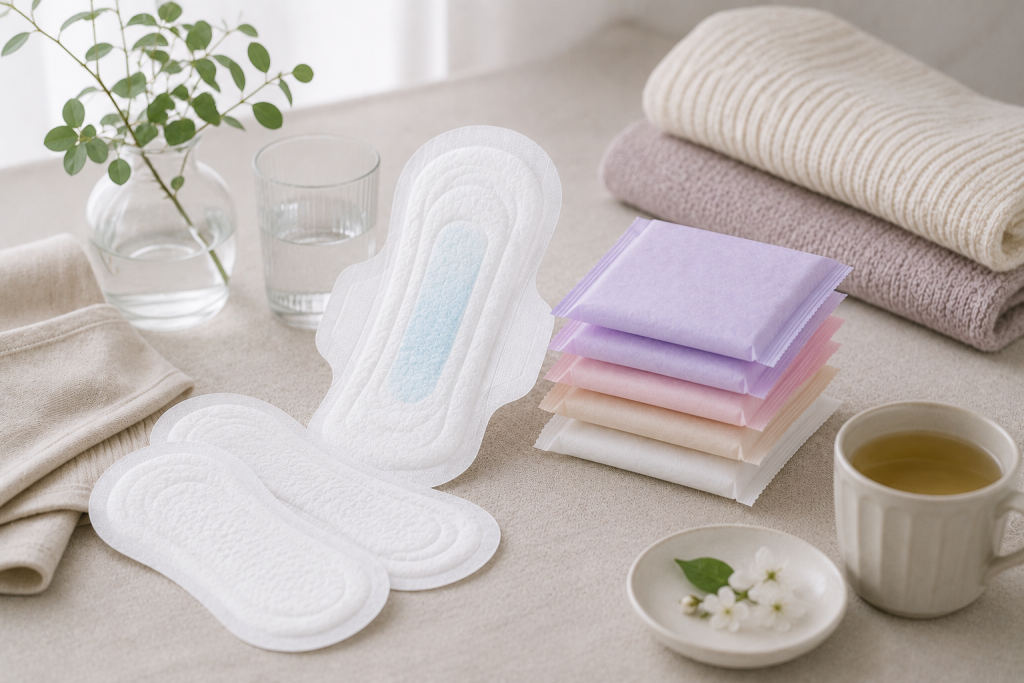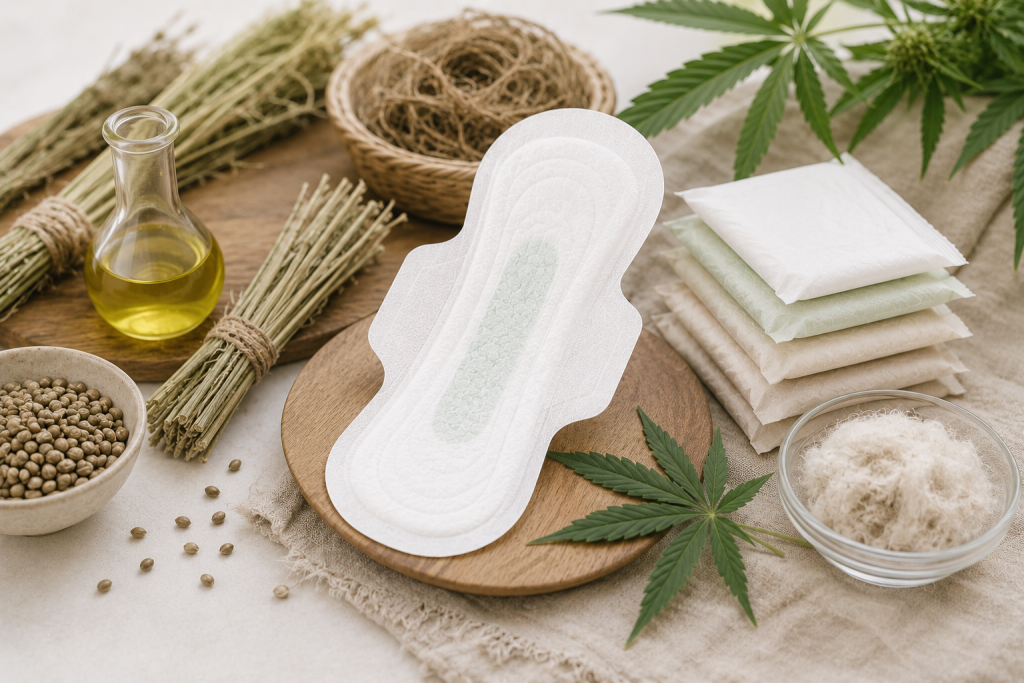

Choosing the right manufacturer is one of the most crucial steps in launching a private label sanitary pad line. A successful partnership with a manufacturer can not only guarantee the quality of your product but also influence your product’s cost structure, lead time, and overall brand success. This article will guide you through the essential factors you need to consider when choosing a sanitary pad manufacturer for your private label brand.
Why Manufacturer Selection Matters for Private Label Growth
In the feminine hygiene category, the manufacturer plays a direct role in how the final product is experienced in the market. Product comfort, absorbency, material feel, packaging quality, and delivery consistency are all linked to manufacturing capability.
For private label brands, the right manufacturing partner can support:
- better product quality control
- more flexible product customization
- stronger packaging execution
- improved launch efficiency
- more reliable long‑term cooperation
Because of this, choosing a manufacturer should be treated as a strategic business decision rather than a simple purchase comparison.
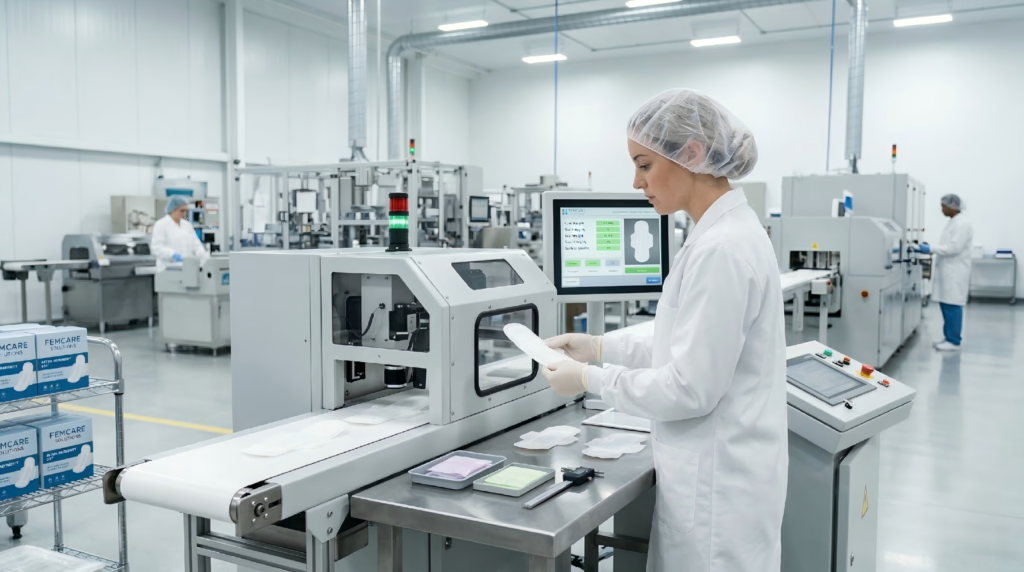
What Buyers Should Evaluate Before Choosing a Manufacturer
1. Product Category Experience
Not all manufacturers have the same category strengths. Buyers should confirm whether the supplier has real experience with sanitary pads, pantyliners, tampons, or related feminine hygiene products. A supplier with stronger category focus is better equipped to support product positioning and quality expectations. For examples of how different product types relate to your portfolio, see our guides on pantyliner product experience and pantyliner types for private label brands.
2. Product Customization Capability
Private label projects often require more than basic OEM work. Buyers should evaluate whether the manufacturer can support customization in areas such as:
- size and absorbency
- topsheet and core structure
- product feel and material direction
- packaging formats
- brand‑specific positioning needs
A strong customization capability gives buyers more room to build differentiated products.
3. Quality Control Process
Quality control is one of the most important factors in manufacturer selection. Buyers should look for suppliers that can explain how they manage production control, inspections, material consistency, and finished product standards — key elements for achieving product trust and repeat purchase in private label markets.
Manufacturers who comply with ISO 9001, FDA, and CE standards tend to provide more reliable, consistent quality. These certifications are strong trust signals for buyers looking for high-quality, compliant products. Be sure to request detailed quality reports and documentation before proceeding with a partnership.
4. Packaging Development Support
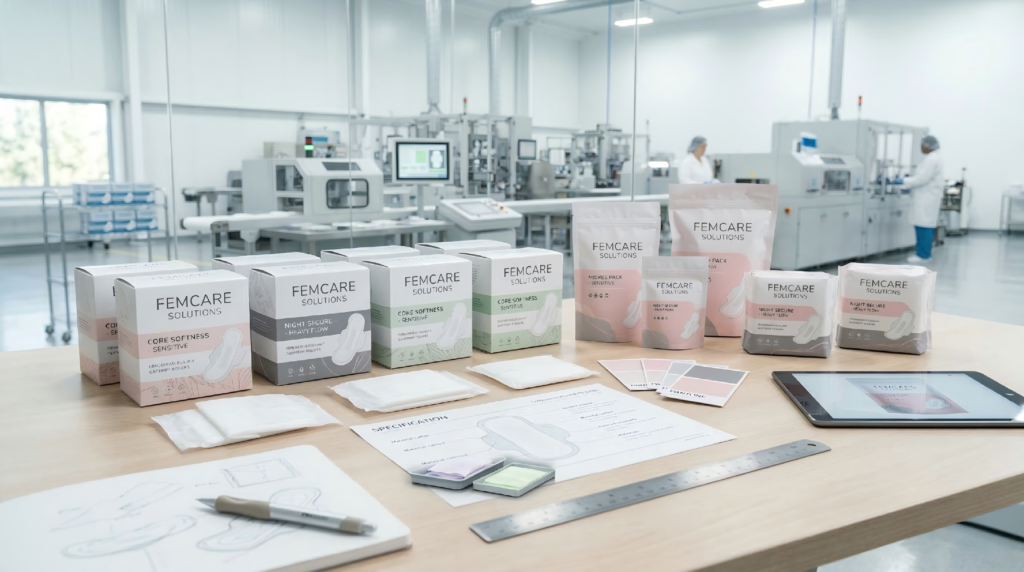
In many private label projects, packaging execution is just as important as the product itself. Buyers should assess whether the manufacturer can support packaging adaptation, artwork coordination, format planning, and execution across multiple SKUs. Suppliers able to support both product and packaging development reduce communication overhead and help bring products to market more efficiently.
For a deeper look at OEM packaging considerations such as segmentation, design direction, and timelines, see our article on MOQ, Packaging, and Lead Time Explained.
5. Communication Efficiency
Even a technically capable manufacturer can become difficult to work with if communication is slow or unclear. Buyers should evaluate whether the supplier is responsive and organized across product discussion, sampling, revision, and production follow‑through. Strong communication reduces errors and accelerates development timelines.
6. Market Fit and Business Flexibility
Different buyers have different launch needs. Some require low-risk product development for a new market; others need structured OEM support for an established brand. Buyers should consider whether the manufacturer can match their stage, scale, and market direction rather than offering a one-size-fits-all model.
For insights on compliance expectations and regulatory readiness across markets, see our guide to certifications that matter for feminine hygiene OEM.
Frequently Asked Questions
What is the most important factor when choosing a private label sanitary pad manufacturer?
There is no single factor, but product quality control, customization capability, and communication efficiency are usually the areas buyers should evaluate first.
Should buyers prioritize price or product stability?
For private label growth, product stability is usually more important. Pricing matters, but inconsistent quality can damage brand trust and repeat purchase.
Is packaging support really necessary?
Yes — in many feminine hygiene categories, packaging strongly affects product positioning, shelf presentation, and buyer confidence.
Can a manufacturer help with market‑specific product direction?
A capable OEM/ODM partner often can support product and packaging recommendations based on development experience and market feedback.
What Buyers Should Prepare Before Contacting a Manufacturer
To make discussions more productive, buyers should prepare:
- target market
- product category
- expected positioning
- preferred size or absorbency direction
- packaging needs
- brand stage or launch plan
- estimated order scope
This helps the manufacturer understand the project more clearly and improves the quality of the initial response
Conclusion
Choosing a private label sanitary pad manufacturer requires more than comparing quotations. Buyers should evaluate product capability, customization support, quality control, packaging execution, and communication quality together. A strong manufacturing partner can help turn a product idea into a market‑ready private label line with long‑term success.
If you’re ready to start your project or want tailored support, see our OEM & ODM Service or contact Niceday to discuss your project directly.
Looking for Private Label Sanitary Pad OEM / ODM Support?
At Niceday, based in Foshan, China, we support brand owners, distributors, and private label buyers with sanitary pad product customization, packaging development, and manufacturing coordination for different market needs.