You Are Not Alone
Urinary incontinence is more common than many people think. It can affect women and men at different life stages, and it may influence work, travel, exercise, sleep and social confidence. Many people feel embarrassed to talk about bladder leakage, but support and treatment options are available.
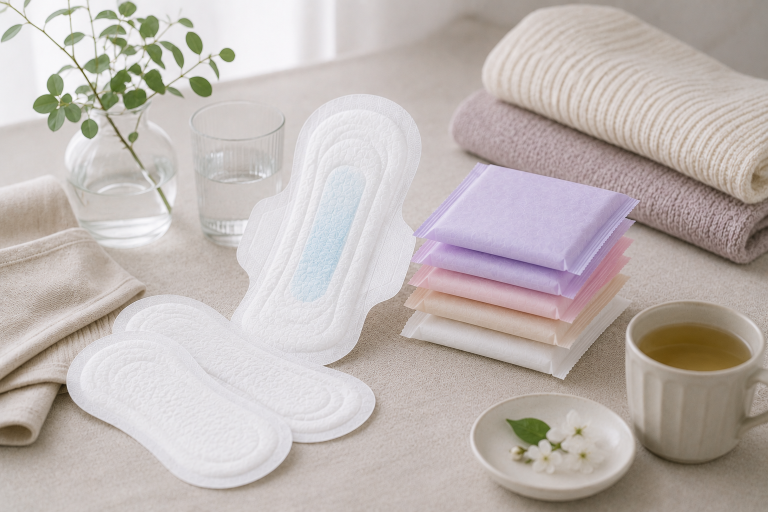
The first step is understanding the type of leakage and choosing the right management method. For many users, bladder control pads, guards or incontinence pads can help maintain comfort and confidence during daily routines.
What Is Urinary Incontinence?
Urinary incontinence is the involuntary leakage of urine. It may happen occasionally or frequently, and the amount can range from light drops to heavier leakage. The right solution depends on the cause, severity and lifestyle.
| Type | What It Looks Like | Common Situation |
|---|---|---|
| Stress incontinence | Leakage during coughing, sneezing, laughing, lifting or exercise | Often linked with pelvic floor pressure, childbirth, aging or prostate surgery |
| Urge incontinence | A sudden strong need to urinate followed by leakage | May happen before reaching the bathroom |
| Overflow leakage | Frequent dribbling or incomplete emptying feeling | Needs medical evaluation to find the cause |
| Functional incontinence | Leakage because a person cannot reach the toilet in time | May relate to mobility, illness or environment |
Who May Experience Incontinence?
Leakage may happen when pressure is placed on the bladder, such as laughing, coughing, sneezing, running, jumping or lifting. Women after childbirth may be more likely to experience stress incontinence. Men may experience leakage after prostate surgery. Older adults may also face bladder control changes, but incontinence should not be treated as an unavoidable part of aging.
How to Choose the Right Incontinence Pad
The right product should match leakage amount, body shape, activity level, gender fit, skin comfort and wearing time. A pad that is too thin may leak, while an overly bulky product may feel uncomfortable and reduce confidence.
| Need | Recommended Product Direction | Key Features |
|---|---|---|
| Light leakage | Ultra-thin bladder control pad | Discreet fit, quick absorption, dry surface |
| Moderate leakage | Flexible incontinence pad for women or men | Better absorbency, odor control, leak barriers |
| Heavy leakage | High-absorbency guard or pad | Stronger core, wider coverage, secure fit |
| Male leakage | Men’s incontinence guard | Anatomical shape, front-zone absorbency, discreet profile |
| Long wear or meetings | Thin but high-performing absorbent pad | Low bulk, odor control, skin-friendly surface |
Key Product Features Buyers and Users Should Check
- Absorbency: choose a level that matches actual leakage volume and wearing time.
- Fast dry core: helps move urine away from the surface quickly.
- Odor control: supports confidence during work, travel and social activities.
- Skin comfort: soft topsheet and breathable materials help reduce dampness.
- Leak guards: side barriers help reduce edge leakage during movement.
- Discreet fit: thin structure and body-shaped design reduce bulk under clothing.
- Latex-free claim: use only when supported by material documentation.
Product Options for Private Label and Distribution
| Product Type | Example Positioning | B2B Use Case |
|---|---|---|
| Men’s incontinence guards | Heavy absorbency, discreet masculine fit, optional 450 ml tested absorbency design | Pharmacy, supermarket, senior care, online retail |
| Women’s bladder control pads | Flexible fit, odor control, five-layer absorbent core | Daily leakage care, postpartum, mature women’s care |
| Ultra-thin urinary pads | Fast dry core, low bulk, invisible under clothing | Office, travel, meetings, active daily use |
| High-absorbency pads | Stronger core and wider coverage for heavier leakage | Long wear, elderly care, night support |
Daily Tips for Managing Bladder Leakage
Lifestyle changes and medical treatment depend on the type and cause of incontinence. A healthcare professional may recommend pelvic floor exercises, bladder training, lifestyle changes, medication or other treatments.
- Track leakage timing, amount, triggers and fluid intake.
- Choose the right absorbency level instead of using regular menstrual pads.
- Change pads regularly to protect skin comfort.
- Limit bladder irritants such as excess caffeine or alcohol if they worsen symptoms.
- Ask a healthcare provider about pelvic floor exercises or bladder training.
Niceday Incontinence Product Support
Niceday supports OEM/ODM development for urinary incontinence pads, men’s guards, women’s bladder control pads and high-absorbency hygiene products. We help buyers customize absorbency, topsheet comfort, core structure, odor control, size, packaging and private label positioning.
Niceday manufactures feminine hygiene and absorbent hygiene products on 14 intelligent production lines at a 50,000 m2 facility, with about 9.8 million pieces of daily capacity. For private label projects, the typical MOQ is 300,000 pieces per SKU, with a 35-40 day lead time after order confirmation.
Frequently Asked Questions
What is urinary incontinence?
Urinary incontinence is the involuntary leakage of urine or loss of bladder control. It may happen during coughing, laughing, exercise, urgency, sleep or daily movement.
Are incontinence pads the same as sanitary pads?
No. Incontinence pads are designed for urine, which has different flow behavior from menstrual blood. They usually need a faster dry core, odor control and leakage protection designed for bladder leakage.
Can incontinence pads treat bladder leakage?
No. Incontinence pads help manage leakage and protect clothing, but they do not treat the cause. Persistent or new leakage should be discussed with a healthcare professional.
What absorbency level should I choose?
Choose absorbency based on leakage amount, wearing time and activity level. Light leakage may need an ultra-thin pad, while heavier leakage may need a high-absorbency guard or pad with stronger core protection.
What is the MOQ for private label incontinence pads?
For Niceday private label projects, the typical MOQ is 300,000 pieces per SKU. Each size, absorbency level, structure or packaging version counts as a separate SKU.
Build a Reliable Incontinence Care Line
Discuss men’s guards, women’s bladder control pads, absorbency levels, odor control, packaging, MOQ and OEM/ODM production planning with Niceday.
Explore OEM/ODM Service Chat on WhatsApp Email NicedayReference notes: General urinary incontinence information was checked against NIDDK, Mayo Clinic, National Institute on Aging, and Office on Women’s Health.