Top Sheet Material Guide for Private-Label Pads
The top sheet is the layer users feel first — and judge a pad by within minutes. Cotton, cotton-like, bamboo, or dry-weave: how to spec the right one for your brand.
- Full OEM/ODM support
- 54+ countries
- 24-hour reply
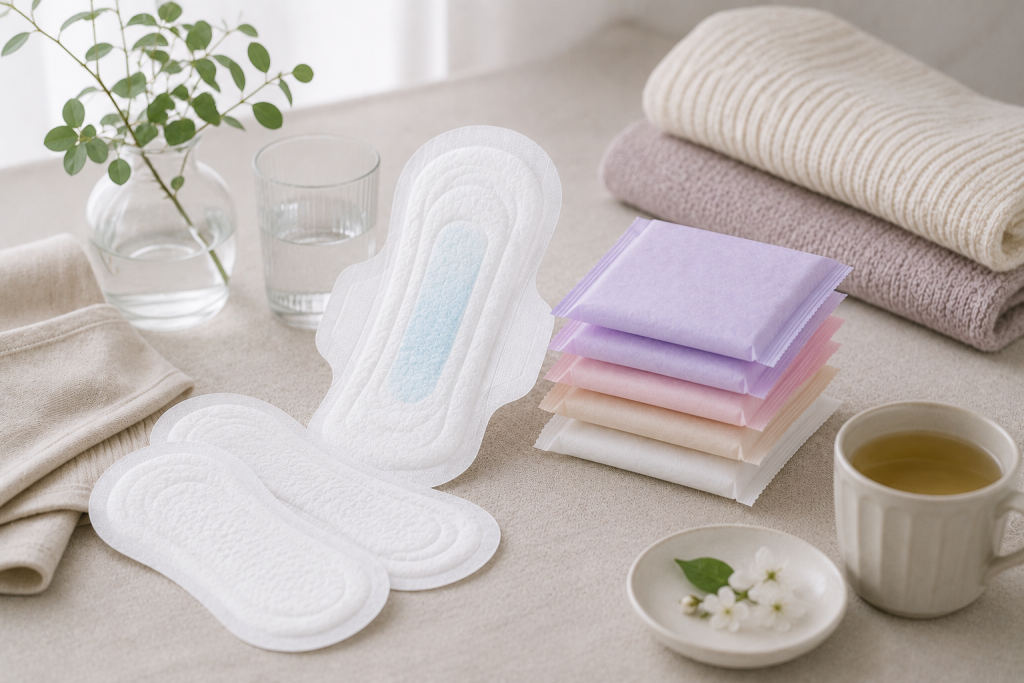
The top sheet is the layer that touches skin — and the layer users judge a pad by within minutes. Choosing it is the single decision that most affects whether a product feels premium or feels cheap. The four common options are cotton, cotton-like (soft-feel nonwoven), bamboo viscose, and dry-weave (perforated) surfaces. A "cotton" top sheet also does not mean the whole pad is cotton — it's only the surface layer, and the core beneath is what does the absorbing.
The principle: soft on top, fast underneath
Users want two things that pull in slightly different directions: a surface that feels soft against skin, and a surface that doesn't feel wet after fluid passes through. The best products don't choose one — they layer them: a soft contact surface, a fast acquisition/distribution layer beneath, and a core that locks fluid away from the skin. When a top sheet gets blamed for feeling "wet" or "rough," the fix is usually in the layering, not just the surface material.
Note what that shorthand doesn't claim — it never implies the whole pad is a single natural material.
The four options, compared
| Top sheet | Strength | Watch-out | Best for |
|---|---|---|---|
| Cotton | Soft, natural feel | Can hold moisture at the surface; needs a strong acquisition layer; higher cost | Natural-positioning brands |
| Cotton-like nonwoven | Soft feel, better surface dryness, lower cost | Low grades read plasticky and rough | Cost-sensitive mass lines |
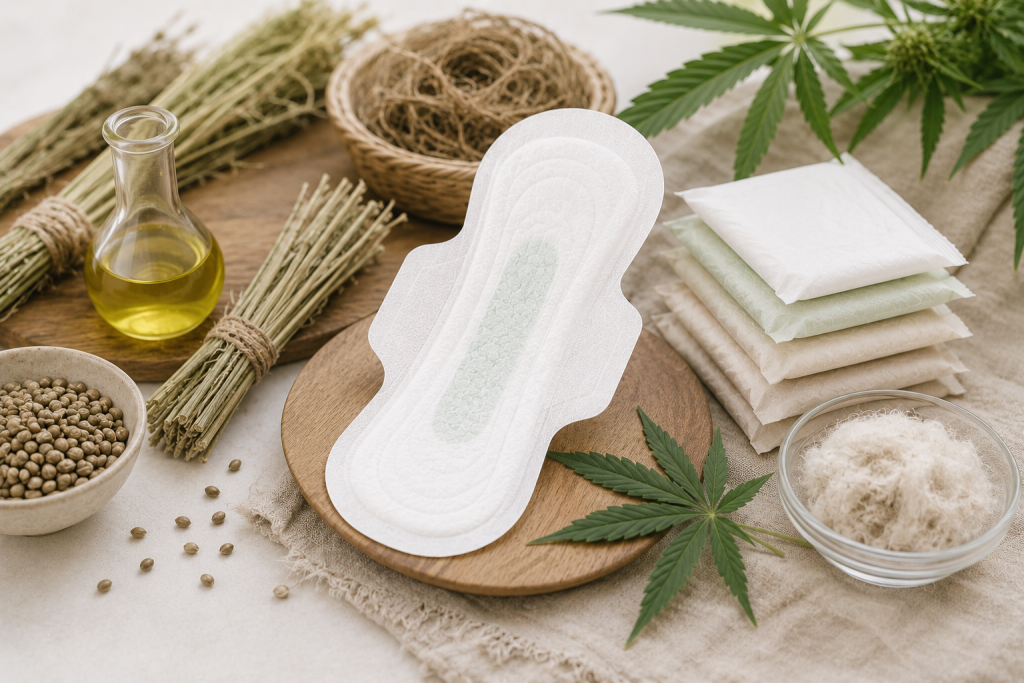
| Bamboo viscose | Soft, eco story | Wet-state structural risk; must test strength | Eco / natural lines (day-use) |
| Dry-weave (perforated) | Best surface dryness | Less soft, more textured hand-feel | Heavy-flow / overnight lines |
Match the top sheet to the positioning, not the trend
- Natural / soft-first brand: cotton or a high-grade cotton-like nonwoven, with a strong acquisition layer to protect surface dryness.
- Heavy-flow / overnight line: dry-weave, where staying dry outranks a soft hand-feel.
- Eco story with activity risk: bamboo — but only with wet-state structural testing done first. See the bamboo structural testing guide.
- Cost-sensitive mass line: cotton-like, with the specific nonwoven grade validated so it doesn't read as plasticky.
What not to claim on-pack
Frequently asked questions
Does a cotton top sheet mean the whole pad is cotton?
No. The top sheet is only the surface layer that touches skin. The acquisition layer and absorbent core beneath are usually engineered materials and do most of the absorbing. Implying "all cotton" when only the surface is cotton is both inaccurate and a compliance risk.
Which top sheet is best for surface dryness?
A dry-weave (perforated) surface generally keeps the surface driest, which is why it suits heavy-flow and overnight lines. Cotton feels softest but needs a strong acquisition layer beneath it to avoid a damp surface feel.
How do I choose a top sheet for a private-label pad?
Start from positioning and use scenario, not the trendiest material. Match softness-first brands to cotton or high-grade cotton-like, dryness-critical lines to dry-weave, and natural-story lines to bamboo only after structural testing. Then validate the specific material grade rather than trusting the category name.
Not sure which top sheet fits your brand?
Send us your positioning and target market — we'll spec options with samples. Winnie replies within 24 hours.
Request a QuoteFounded in 2016, Niceday operates a 50,000 m² facility with 14 production lines and a daily output of around 9.8 million pieces, exporting to 54+ countries across five product categories.