The Basics: What Counts as a Normal Menstrual Cycle?
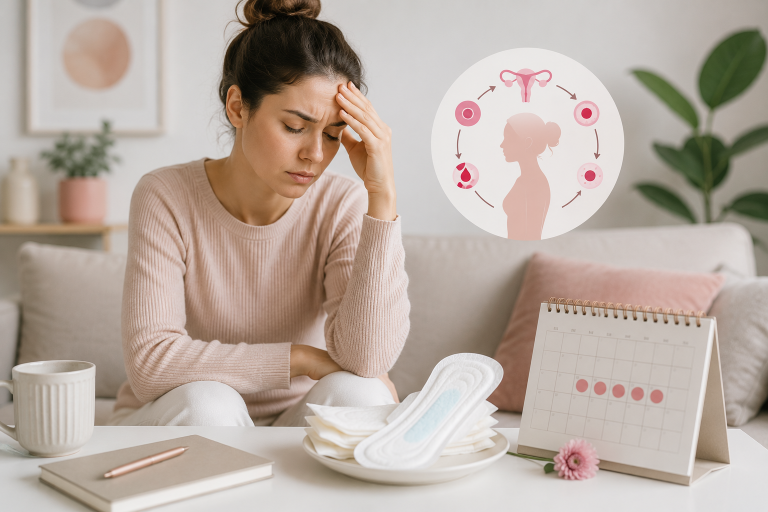
A menstrual cycle is counted from the first day of one period to the first day of the next period. Many cycles fall around 21 to 35 days, but what matters most is what is typical for your body. Some variation from month to month can be normal.
A period may feel “late” when it arrives several days later than your usual pattern. If pregnancy is possible, a pregnancy test is usually the first step. If missed or irregular periods continue, it is better to speak with a healthcare provider instead of assuming stress is the only reason.
How Stress Can Delay or Change Your Period
When you are under stress, your body produces stress hormones such as cortisol. High or ongoing stress may affect the communication between the brain and reproductive hormones. This can influence ovulation, period timing, and flow pattern.
Stress does not affect every woman the same way. Some people notice a delayed period after exams, travel, major life changes, overwork, illness, poor sleep, or emotional pressure. Others may notice more PMS symptoms, spotting, lighter bleeding, heavier bleeding, or a skipped cycle.
| Stress-Related Change | What You May Notice | What to Do |
|---|---|---|
| Late period | Your period starts several days later than usual | Track your cycle, consider pregnancy if relevant, and monitor the next cycle |
| Missed period | No bleeding during the expected cycle window | Take a pregnancy test if applicable and seek medical advice if it continues |
| Lighter or heavier flow | Bleeding feels different from your usual pattern | Note the change and watch whether it repeats |
| Worse PMS | Mood changes, fatigue, breast tenderness, bloating or headaches feel stronger | Prioritize sleep, meals, hydration and stress management |
| Irregular cycles | The number of days between periods keeps changing | Track the pattern and speak with a healthcare provider if it persists |
Stress Is Not the Only Cause of a Late Period
Although stress is a common reason for cycle changes, it is not the only possible cause. A late or missed period can also be related to pregnancy, hormonal birth control, sudden weight change, overexercise, illness, travel, breastfeeding, thyroid conditions, PCOS, perimenopause, or other health issues.
What You Can Do When Stress Affects Your Cycle
The goal is not to eliminate every source of stress. The goal is to help your body feel safer and more supported. Small daily habits can make your cycle easier to understand and may support more regular routines over time.
- Track your cycle: record period dates, flow, pain, mood, sleep, travel, exercise and stressful events.
- Protect your sleep: keep a regular sleep schedule when possible and reduce late-night screen time.
- Move gently: walking, stretching, yoga or light exercise may help reduce tension.
- Eat enough: avoid skipping meals, especially during high-stress weeks.
- Stay hydrated: water and warm drinks may feel supportive during bloating or fatigue.
- Limit triggers: reduce excess caffeine or alcohol if they worsen anxiety, sleep or PMS.
- Talk it through: journaling, therapy or support from trusted people can help identify stress patterns.
Stress Management Habits That May Support Menstrual Health
| Habit | How It Helps | Simple Way to Start |
|---|---|---|
| Cycle tracking | Helps you see whether stress and cycle changes are connected | Use a calendar or app for 3 months |
| Breathing practice | May help calm the stress response | Try 5 minutes of slow breathing before sleep |
| Gentle exercise | Supports mood, sleep and tension release | Take a 20-minute walk several times a week |
| Consistent meals | Supports energy and reduces stress-related crashes | Add protein, whole grains and vegetables to main meals |
| Sleep routine | Helps regulate daily rhythm and recovery | Choose a fixed bedtime window most nights |
| Professional support | Useful when stress feels overwhelming or long-term | Consider counseling or CBT if stress affects daily life |
Getting Back on Track
If stress is the likely cause, your period may return to its usual pattern after the stressful period eases. However, it can take time for the body to settle. Keep tracking your cycle and avoid adding more pressure by worrying about one unusual month.
If your cycle stays irregular, your period stops for several months, or your symptoms feel different from your normal pattern, seek medical advice. A healthcare provider can help rule out pregnancy, hormonal conditions, thyroid issues, PCOS, or other causes.
Comfort During a Stressful Period
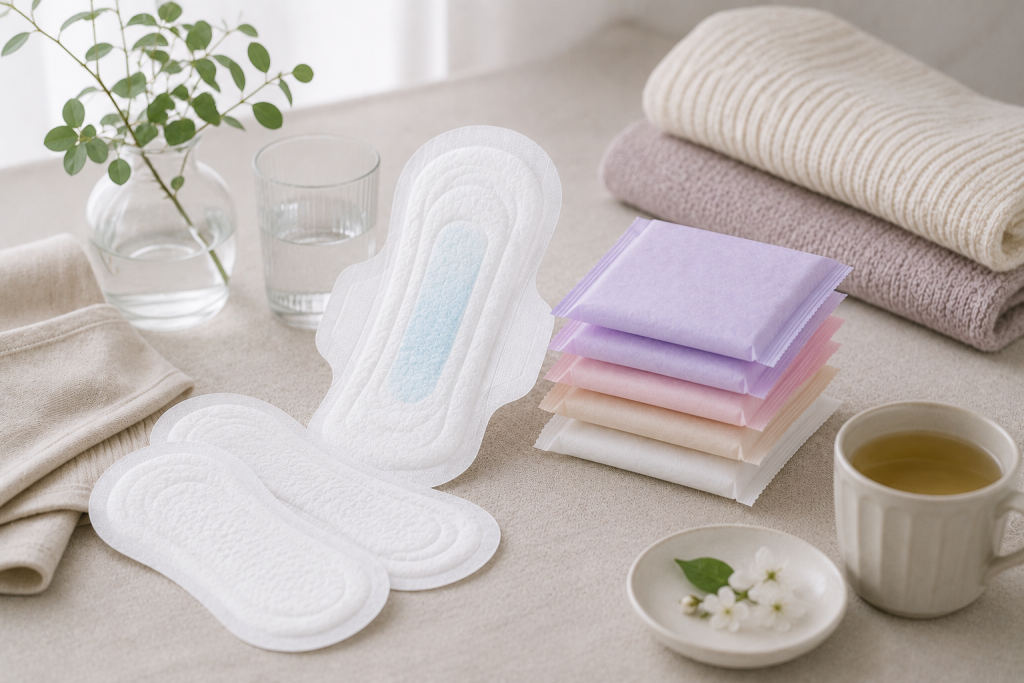
During stressful months, many women also feel more sensitive to discomfort, bloating, tiredness or mood changes. Along with rest, hydration and gentle movement, choosing comfortable period care products can make daily routines easier.
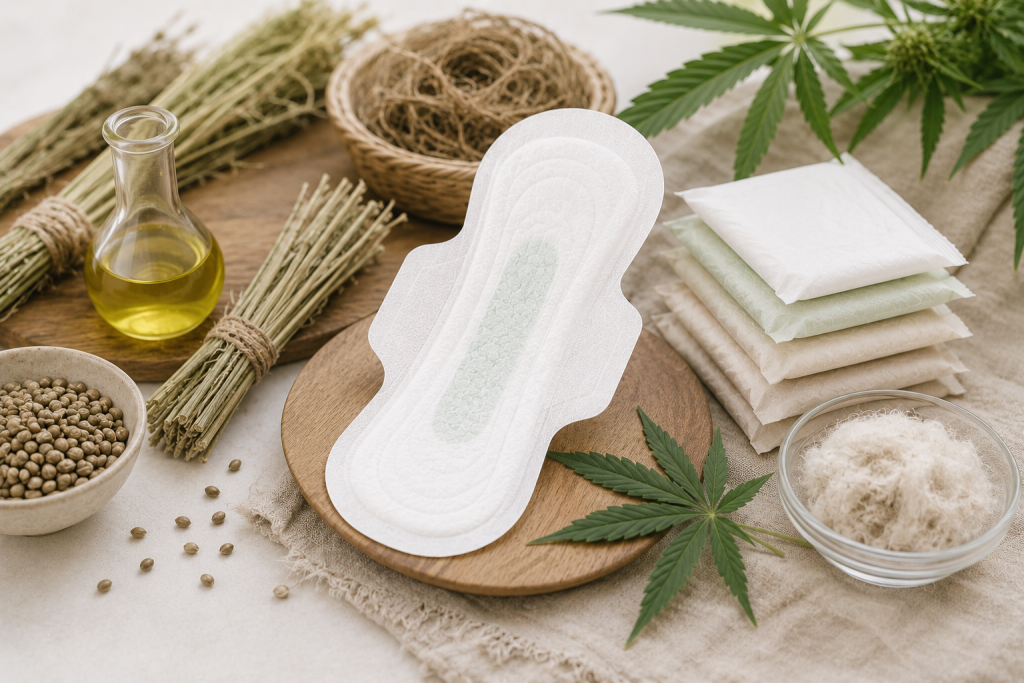
Niceday offers sanitary pads designed for soft skin contact, breathable comfort and daily protection. Herbal-inspired sanitary pads can also be positioned around freshness and comfort, but they should not be treated as medical products or pain treatments.
Frequently Asked Questions
Can stress make your period late?
Yes. Stress may affect hormone signals involved in ovulation and menstruation, which can make a period late, lighter, heavier, irregular or missed. However, pregnancy and other health factors should also be considered.
How many days can stress delay a period?
There is no exact number that applies to everyone. Stress may delay a period by a few days, or sometimes longer. If your period is very late, pregnancy is possible, or missed periods continue, speak with a healthcare professional.
Can stress make period pain worse?
Stress may make some people feel more sensitive to pain, tension, fatigue or PMS symptoms. Food, sleep, movement, hydration and relaxation may support comfort, but severe pain should be discussed with a healthcare provider.
What should I do if my period is late?
If pregnancy is possible, take a pregnancy test. Track your symptoms, recent stress, sleep, illness, exercise and weight changes. If your period does not return or irregularity continues, seek medical advice.
Can herbal sanitary pads relieve menstrual pain?
Herbal sanitary pads can be positioned around freshness, comfort and botanical-inspired care, but they should not be described as a proven treatment for menstrual pain unless supported by appropriate clinical evidence and approved claims in the target market.
When should I see a doctor for irregular periods?
Seek medical advice if you miss periods for several months, have very heavy bleeding, severe pain, bleeding between periods, dizziness, fever, unusual discharge, or cycle changes that continue over time.
Support Comfort Through Your Cycle
Choose gentle routines, track your symptoms, and use period care products designed for daily comfort and reliable protection.
Explore Sanitary Pads OEM/ODM ServiceReference notes: General menstrual cycle and stress information was checked against Cleveland Clinic, Mayo Clinic, Office on Women’s Health, and NHS Inform.