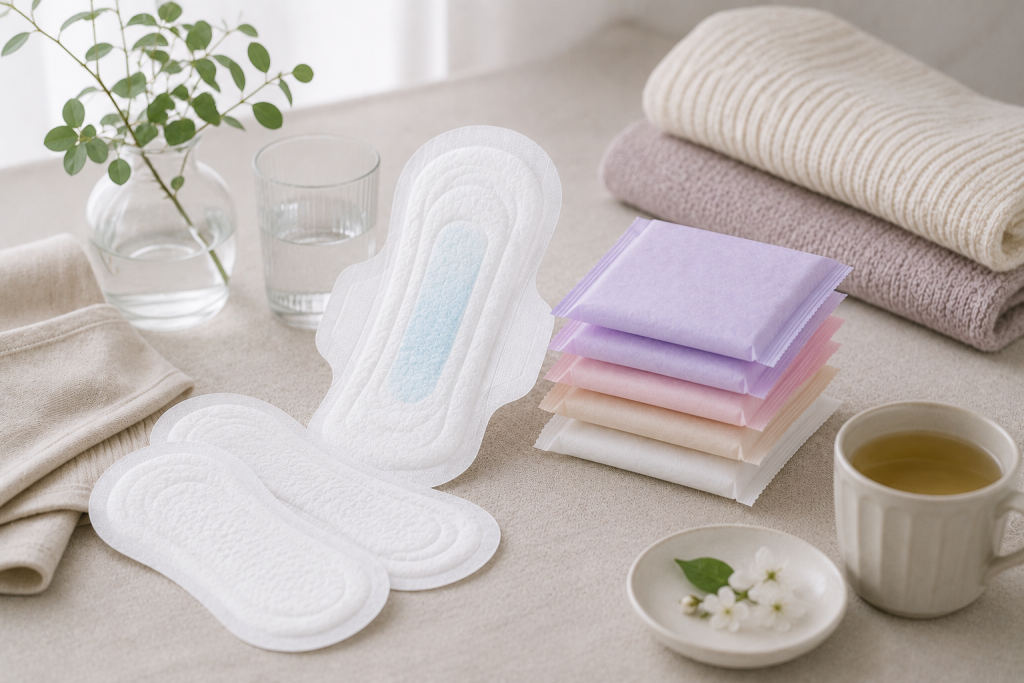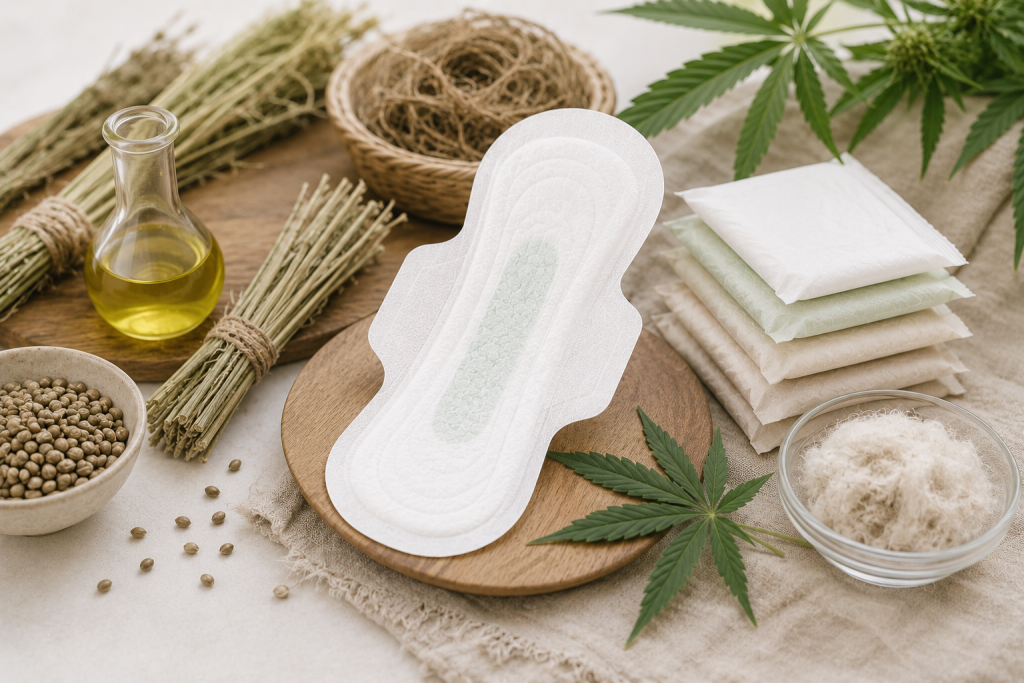
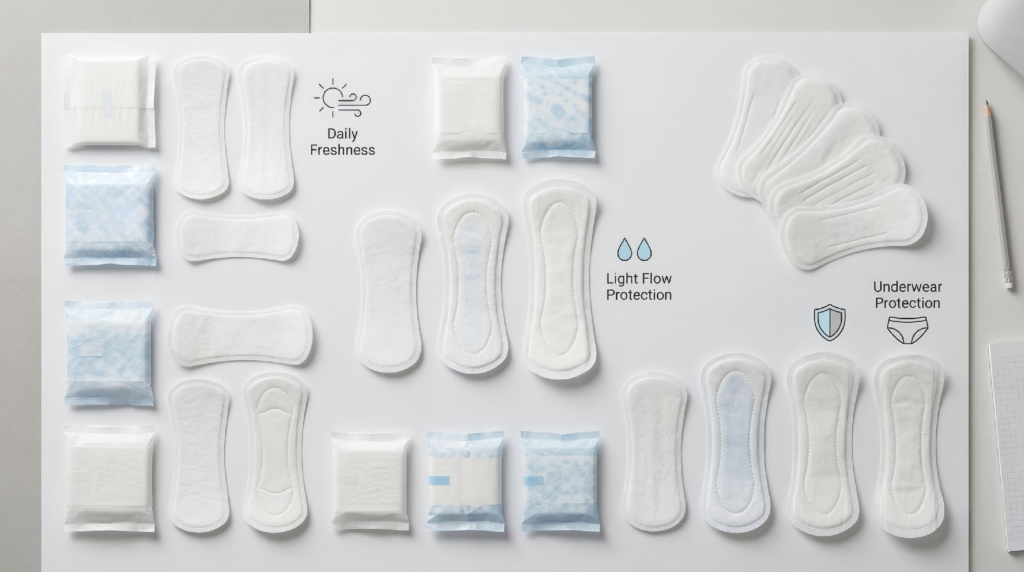
Quick Guide: This article explains how different pantyliner types such as standard daily liners, long-size liners, and thong liners can support private label brands in feminine care product planning. It focuses on format selection, material direction, packaging structure, and OEM/ODM development for brands and buyers.
Pantyliner type selection is an important part of product planning for private label brands, distributors, and OEM buyers. Different pantyliner formats serve different consumer habits, product positioning needs, and retail strategies. Standard daily pantyliners, long-size options, and thong liners are not interchangeable. Each format supports a different use scenario and can help brands build a more complete feminine hygiene product line.
For OEM/ODM development, pantyliners are more than a basic add-on item. They can be developed as an entry-level daily use product, a comfort-focused extension of an existing sanitary pad line, or a specialized niche item for specific consumer preferences. Understanding the differences between these formats helps buyers choose the right size, material direction, packaging style, and product combination for their target market.
In this article, we look at the main pantyliner types that buyers should understand, how these formats differ, and what brands should prepare before moving into sampling and product development.
Why Pantyliner Type Selection Matters in Private Label Development
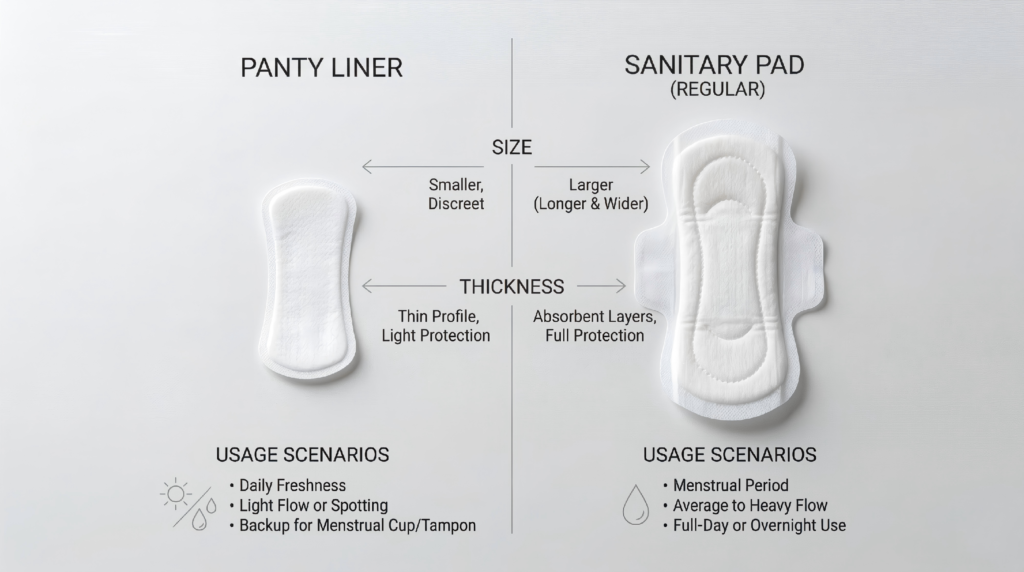
For many private label brands, pantyliners are an important part of building a balanced feminine hygiene product line. Compared with sanitary pads, pantyliners are usually positioned around daily freshness, light discharge protection, travel convenience, and comfort. Because of this, the right format choice can influence product positioning, retail price, packaging direction, and repeat purchase potential.
Not all markets respond to the same pantyliner type in the same way. Some prefer simple daily-use liners with a light and breathable feel. Others may show stronger demand for longer coverage, softer top sheets, individually wrapped formats, or products designed for special underwear styles. This is why buyers should not approach pantyliners as a single generic product.
A clearer understanding of format differences helps buyers make better decisions in several areas:
- which pantyliner types should be included in the product line
- which materials and comfort features are more suitable for the target market
- how to organize size and format differentiation clearly
- what packaging approach best matches each variant
- how to prepare a more commercially relevant OEM brief
For private label brands, type selection is not only about product design. It is also about category structure and market fit.
Standard Daily Pantyliners
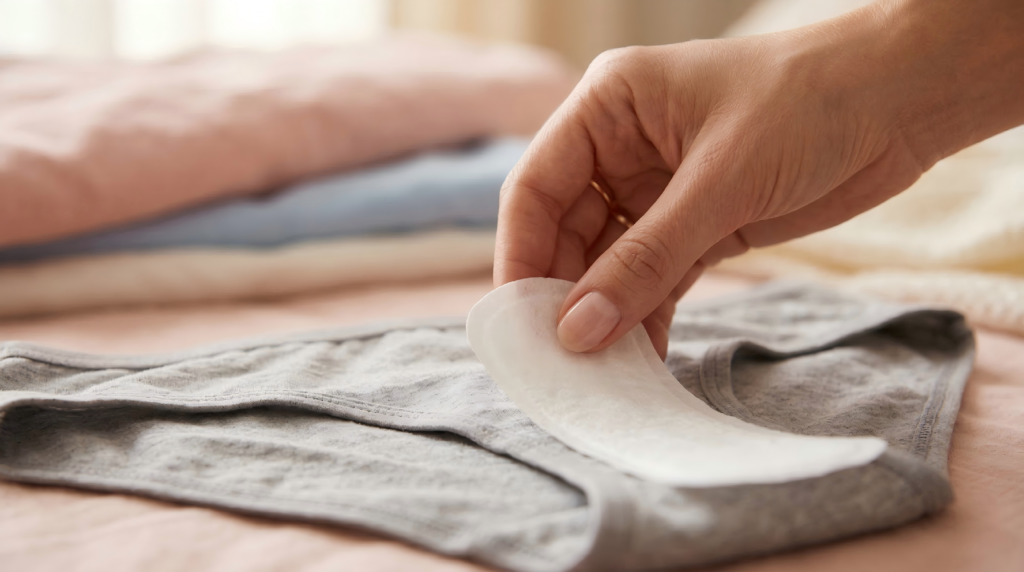
Standard Daily Pantyliners are the most common and widely used format. They are generally designed for light daily freshness, minor discharge, and everyday underwear protection. For many brands, this is the core pantyliner format and often the most practical starting point for private label development.
This type is widely chosen because it is easy for consumers to understand and works well across supermarkets, pharmacies, convenience-focused retail, and e-commerce channels. It is often positioned as a daily essential product and can serve as an entry point into a broader feminine hygiene range.
For buyers, Standard Daily Pantyliners usually offer the most flexibility in product planning. They can be developed with different top sheet materials, softness profiles, thickness preferences, and packaging formats depending on price point and market expectations.
Common positioning directions for Standard Daily Pantyliners
- breathable daily freshness
- soft and gentle everyday use
- light and discreet protection
- individually wrapped convenience
- simple value-oriented daily care
Because this format is highly versatile, it is often suitable for brands that want to enter the category with a commercially safe and scalable product.
Long-size pantyliners
Long-Size Pantyliners are designed to provide more coverage than standard daily liners. They are often positioned for users who want a stronger sense of protection while still staying within the pantyliner category rather than moving fully into light sanitary pads.
For private label brands, long-size pantyliners can help create clearer segmentation within the product line. Instead of offering only one general daily-use liner, brands can introduce a second format that meets different consumer needs, such as longer wear time, extra back coverage, or stronger preference for secure placement.
This format may be attractive in markets where consumers prefer products that feel more protective, even for light-flow or non-period use occasions. It can also work well in product lines that want to bridge the gap between standard pantyliners and thin sanitary pads.
Typical positioning directions for Long-Size Pantyliners
- extra coverage
- more secure fit
- daily protection with a stronger sense of reassurance
- day-to-evening use
- comfort for consumers who prefer a longer shape
For buyers, this type can be useful when building a two-tier or three-tier pantyliner assortment instead of relying on only one standard size.
Thong and T-shape pantyliners
Thong and T-Shape Pantyliners are more specialized formats designed for underwear styles that do not match standard pantyliner shapes. While they are not always part of every mass-market assortment, they can be valuable as a niche extension product for brands targeting more specific customer preferences.
This format is often associated with fashion-conscious consumers, specialized personal care routines, and product lines that want to appear more complete or more premium in category coverage. In some markets, thong liners may not generate the same volume as standard daily liners, but they can still help a brand strengthen its image as a more thoughtful and well-developed feminine care line.
For private label brands, Thong and T-Shape Pantyliners may be suitable when:
- the target customer base is more style-driven
- the brand wants to offer a broader format range
- the sales channel supports niche or specialized items
- the goal is to differentiate from more basic competitors
Because this is a more specific format, buyers should pay close attention to shape design, adhesive performance, foldability, packaging clarity, and product communication. If the format is not well executed, consumers may find it less practical. If it is well developed, it can become a useful value-added SKU within the assortment.
Organic, Breathable, and Comfort-Focused Variations
Pantyliner type planning is not only about shape and size. Material direction also plays an important role in how a private label product is positioned. Within standard, long-size, or specialized formats, brands can further develop pantyliners based on softness, breathability, top sheet feel, or more natural material concepts.
Some markets respond positively to pantyliners that emphasize comfort, skin-friendliness, or a cleaner material story. In these cases, brands may consider variations such as:
- soft-touch top sheet options
- breathable constructions
- cotton-feel materials
- organic-style positioning
- fragrance-free versions
- sensitive-skin oriented concepts
In breathable pantyliner development, construction details such as backsheet perforation design can influence moisture permeability, comfort perception, and overall daily-use performance.
These variations can help create differentiation even when the basic product format remains similar. For example, a standard daily pantyliner can be positioned as a value product, a breathable comfort product, or a more premium organic-inspired item, depending on the materials, packaging, and claim structure.
For private label brands, the key is to connect material choices with market demand rather than adding features without a clear positioning strategy. A product should feel commercially coherent. The format, material story, packaging, and price tier should support the same product logic.
How Packaging Differs by Pantyliner Format
Packaging direction should reflect the role of each pantyliner type in the overall product line. A standard daily pantyliner usually requires clear and simple communication. A long-size version may need stronger visual emphasis on coverage or added reassurance. A thong liner may require more specific shape communication so consumers can immediately understand the format.
For private label brands, packaging differences can help prevent confusion and strengthen assortment structure. Important packaging considerations include:
- clear size and format distinction
- visible daily-use or comfort positioning
- easy differentiation between standard and long variants
- packaging suitable for retail shelf display or e-commerce thumbnails
- individually wrapped versus bulk-packed presentation
- premium, natural, or minimalist design direction depending on the target market
Pantyliners are often purchased quickly, so format clarity matters. If packaging does not make the format difference obvious, the product line can become harder to understand, especially when multiple variants are offered at the same time.
For buyers developing a more complete pantyliner range, packaging should not be treated as an afterthought. It should work together with product naming, size logic, and positioning claims to create a consistent buying experience.
What Buyers Should Prepare Before Sampling Different Pantyliner Types
Before moving into sampling, private label brands should define what role pantyliners will play in the overall product strategy. This helps avoid overdeveloping too many similar SKUs or choosing formats that do not match market demand.
A practical preparation checklist includes:
1. Define the target product range
Decide whether the brand needs only one core daily pantyliner or a more complete lineup that includes long-size or specialized variants.
2. Clarify target users and use occasions
Identify whether the product is aimed at general daily freshness, sensitive-skin users, comfort-focused buyers, premium retail positioning, or more specialized underwear-compatible use.
3. Set format priorities
Choose which formats should be sampled first. In most cases, standard daily pantyliners are the starting point, followed by long-size options or niche shapes where relevant.
4. Consider material direction
Decide whether the line should emphasize softness, breathability, cotton-feel comfort, organic-inspired positioning, or a simpler value-oriented approach.
5. Plan packaging logic early
Think about how different pantyliner types will be distinguished visually, especially if multiple variants will be launched under one private label line.
6. Prepare a clearer OEM brief
A stronger brief should include target market, preferred sizes, expected feel, packaging direction, price positioning, and whether individually wrapped or bulk packaging is required.
When buyers prepare these points in advance, sampling becomes more efficient and the product development process is easier to manage.
Pantyliner Type Selection and Product Line Strategy
For private label brands, choosing pantyliner types should support a broader product line strategy rather than being treated as a standalone decision. A well-structured pantyliner range can complement sanitary pads, expand the daily-use category, and improve brand completeness in feminine hygiene.
In some cases, a brand may only need one standard daily-use SKU. In other cases, it may be commercially beneficial to build a small but clear assortment, such as:
- standard daily pantyliner
- long-size comfort pantyliner
- breathable or soft premium variant
- thong liner as a specialized extension SKU
The right structure depends on the market, sales channel, and target customer profile. The goal is not to launch more SKUs for the sake of variety, but to create a line that is easy to understand, commercially relevant, and aligned with brand positioning.
For buyers working with OEM/ODM development, the most effective approach is usually to begin with a clear core item and then expand selectively based on market opportunity.
FAQ
What is the most common pantyliner type for private label brands?
Standard Daily Pantyliners are usually the most common starting point because they are easy to position, easy to understand, and suitable for a wide range of retail channels.
When should buyers consider long-size pantyliners?
Long-Size Pantyliners are useful when a brand wants to offer more coverage, a stronger sense of protection, or a clearer step between standard liners and thin sanitary pads.
Are thong pantyliners necessary in every product line?
Not always. They are more suitable as a niche extension SKU for brands targeting specialized underwear styles or a more complete feminine care assortment.
Can breathable pantyliners be positioned as a premium option?
Yes. Breathable pantyliners can support a more comfort-focused or premium positioning when the material story, packaging direction, and performance communication are aligned.
Conclusion
Pantyliners are not a one-format category. For private label brands, different pantyliner types support different consumer needs, positioning strategies, and product line structures. Standard Daily Pantyliners often provide the most practical entry point. Long-Size Pantyliners add stronger coverage positioning, while Thong and T-Shape Pantyliners can serve as specialized extensions for more targeted assortments.
A better understanding of pantyliner formats helps buyers make clearer decisions about size, material direction, packaging structure, and OEM/ODM development priorities. Instead of treating pantyliners as a generic add-on item, brands should evaluate how each format fits into the overall feminine hygiene portfolio.
If you are planning a private label pantyliner project, contact our team to discuss format selection, packaging direction, and OEM development priorities.
For a broader overview of pantyliner category planning, packaging direction, and OEM/ODM development, you can also read our guide to pantyliners for private label brands and buyers.
Looking for Private Label Panty Liner OEM / ODM Support?
At Niceday, based in Foshan, China, we support brand owners, distributors, and private label buyers with panty liner product customization, packaging development, and manufacturing coordination for different market needs.