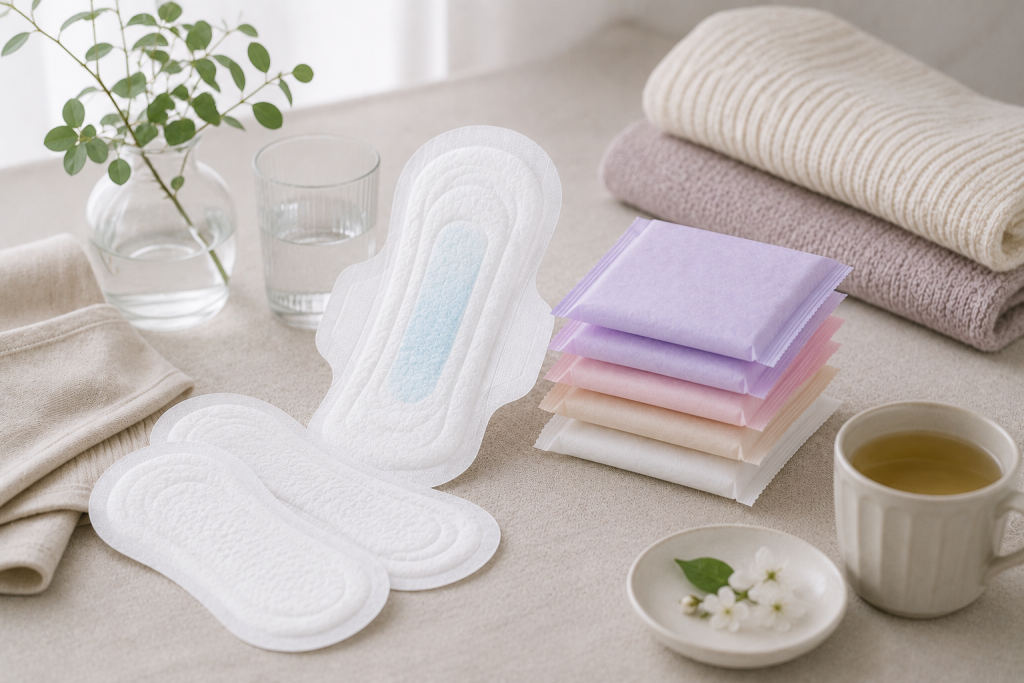
Positioning Overnight Products: Peace of Mind vs Extreme Capacity
Positioning an overnight product as being for extremely heavy flow narrows the addressable market to the smallest possible group, and pushes the brand toward medical territory where claims cannot be supported. The wider and more accurate positioning is sleep confidence: heavier nights, travel, shared accommodation, backup alongside another product, and simply not wanting to wake up to check. Most of these buyers have entirely ordinary flow.
Where this signal comes from: user discussions in menstrual product communities show overnight products being bought for reasons unrelated to flow volume — avoiding a night-time change, staying away from home, using a backup alongside an internal product, and protecting bedding. Flow level is often not the deciding factor.
Who actually buys overnight products
| Buyer situation | What they are buying | Flow level |
|---|---|---|
| Heavier nights | Coverage for the one or two heaviest nights per cycle | Higher, within ordinary range |
| Front or rear leakage history | Better coverage placement, not more capacity | Any |
| Backup alongside an internal product | Reassurance during sleep without wearing the internal product overnight | Ordinary |
| Avoiding a night-time change | Uninterrupted sleep | Ordinary |
| Travel and hotels | Confidence in unfamiliar bedding, no laundry access | Any |
| Shared accommodation | Confidence in dormitories or shared rooms | Any |
Only the first row is about flow volume. The other five are about confidence and convenience, and together they are the larger market.
Why extreme-capacity positioning narrows the market
Three problems follow from positioning around extreme flow:
- Audience. Buyers with ordinary flow read "for extremely heavy periods" as not for them, even though they would buy the product for a different reason.
- Expectation. It sets an implicit promise about volume that no absorbent product can guarantee, since performance depends on flow rate, fit and duration.
- Claim risk. It edges toward positioning the product as a response to a medical situation. Bleeding heavy enough to require medical attention is not something a hygiene product addresses, and implying otherwise creates real exposure.
Boundary to hold: overnight products are for heavier nights within an ordinary range. They are not an alternative to medical evaluation. Any page or pack discussing heavier flow should carry a short line advising that unusually heavy bleeding or a sudden change be discussed with a healthcare professional — and customer service scripts should follow the same rule rather than recommending a higher-capacity SKU.
The heavier-nights framing, and why it works better
Compare two positioning lines:
| Use this | Instead of this |
|---|---|
| For heavier nights and extra peace of mind | For extremely heavy periods |
| Extended front-to-back protection | Maximum absorbency |
| Wide absorbent coverage | Handles the heaviest flow |
| Sleep without checking | All-night dryness guaranteed |
| Extra peace of mind for cup and disc days | When your cup isn't enough |
| Change according to your flow | 12 hours of protection |
The left column is broader in audience, more accurate, and safer in every market. It also communicates the same product strength — through structure rather than superlatives.
Positioning the backup use without criticising alternatives
Backup alongside internal products is a real and growing use, but the framing matters. State the situation, not a judgement:
- Good: extra peace of mind for cup and disc days; overnight coverage without wearing an internal product
- Avoid: anything implying cups or discs are unreliable, unsafe or unhygienic
Buyers in this group generally use and value their internal product. Criticising it criticises their choice, and loses the sale.
Where each audience is reached
- Heavier nights: product page structure detail, coverage diagram, in-range positioning alongside the heavy SKU
- Backup users: pack format with small counts, and positioning that names the situation rather than the flow level
- Travel and shared accommodation: small-count packs, individually wrapped units, discreet pack design
- Sleep confidence: packaging language about uninterrupted sleep rather than capacity figures
These are largely the same product with different pack formats and copy — which makes the wider positioning inexpensive to execute.
What this means for private label buyers
Position overnight products around sleep confidence and heavier nights rather than extreme capacity. It reaches a wider audience, describes the product accurately, and keeps the brand clear of claims it cannot support. Add the medical-evaluation line wherever heavier flow is discussed.
Niceday manufactures disposable menstrual pants, overnight pads, sanitary pads, panty liners and tampon products from a 50,000 square meter facility in Foshan, China, with 14 intelligent production lines and a daily capacity of 9.8 million pieces, exporting to 54+ countries. Packaging customization includes small-count travel formats and individually wrapped units. Standard MOQ is 300,000 pieces per SKU with a 35–40 day lead time.
Position your overnight line
Tell us your target markets and channel, and our team will propose pack formats and positioning options for the overnight and backup audiences.
Email: winnie@everyniceday.com
Discuss Your Product RangeFrequently Asked Questions
Who buys overnight feminine hygiene products?
Buyers with heavier nights, buyers with a history of front or rear leakage, users of internal products looking for overnight backup, people avoiding a night-time change, travellers, and people in shared accommodation. Most have entirely ordinary flow.
Why is extreme-capacity positioning a problem?
It narrows the audience to the smallest group, sets a volume expectation no product can guarantee, and edges toward positioning the product as a response to a medical situation.
What positioning works better than maximum absorbency?
Heavier nights and extra peace of mind, supported by structural detail such as extended front-to-back protection and wide absorbent coverage, plus guidance to change according to flow.
Should packaging include a medical-evaluation line?
Yes. Any pack or page discussing heavier flow should advise that unusually heavy bleeding or a sudden change be discussed with a healthcare professional, and customer service should follow the same rule.
How should backup use alongside cups or discs be positioned?
By naming the situation rather than judging the alternative. Wording such as extra peace of mind for cup and disc days works; anything implying internal products are unreliable or unhygienic does not.
Does the wider positioning require different products?
Usually not. It is largely the same product reaching different audiences through pack format, pack count and copy, which makes it inexpensive to execute.