Why Packaging Matters for Sanitary Pad Brands
When choosing a sanitary napkin manufacturer, many buyers focus first on absorbency, materials and price. Packaging is often discussed later, but it directly affects shelf appeal, consumer trust, logistics efficiency and brand positioning.
For feminine hygiene products, packaging is not only a container. It communicates softness, safety, comfort, privacy, premium value and product function within a few seconds. For private label brands, a manufacturer with packaging development capability can reduce design mistakes and help the final product look more retail-ready.
How to Choose Sanitary Pad Packaging
The best packaging depends on your product purpose. A value-pack supermarket product needs different packaging from an organic cotton premium line, a travel pack, a gift set or an online subscription bundle.
| Packaging Type | Best Use Case | Main Advantage | Buyer Checkpoint |
|---|---|---|---|
| PE bag | Mass-market sanitary pads, regular retail packs, value packs | Practical, flexible and cost-efficient | Confirm thickness, printing quality, seal strength and shelf appearance |
| Aluminum foil bag | Premium pads, functional pads, products needing stronger visual structure | Better shape, stronger shelf presence and moisture protection | Check material feel, easy-open design and resealing method |
| Ziplock bag | Travel packs, premium daily pads, reusable storage concept | Resealable, convenient and memorable | Confirm zipper durability, opening feel and total packaging cost |
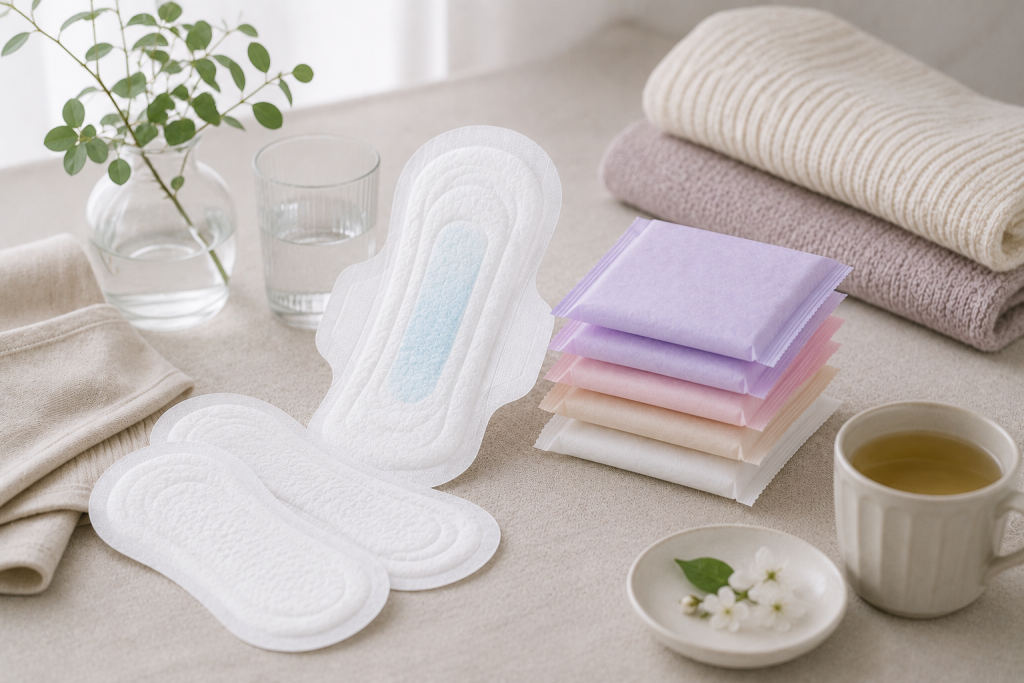
| Individual wrapper | All sanitary pads and liners, especially portable or discreet products | Keeps each pad clean, portable and easy to carry | Review wrapper material, folding, print design and opening noise |
| Paper box | Organic cotton, natural-care, premium or trial kits | Clean shelf display and premium material impression | Check paper thickness, coating, recyclability claims and transport protection |
| Gift bag or set pack | High-end lines, seasonal campaigns, bundle sets | Improves brand image and gift-ready presentation | Plan pack combination, handle strength and retail display needs |
| Shipping carton | Wholesale, distributor and export transport | Protects products and supports warehouse handling | Confirm carton strength, marks, barcode, stacking and export requirements |
PE Bag Packaging
PE bag packaging is one of the most commonly used options for sanitary pads and hygiene products. It is practical for supermarket shelves, wholesale channels, value packs and daily-use products.
The main advantage is flexibility. Buyers can adjust bag thickness, finish, print color, pack count and hand feel. If the product positioning focuses on softness and comfort, the packaging touch can also be adjusted to support that message.
Aluminum Foil Bag Packaging
Aluminum foil bag packaging can create a more structured and premium appearance. The material has more body than a basic soft bag, helping the pack look fuller and more stable on shelf.
This option is suitable for functional sanitary pads, premium comfort lines, organic cotton pads, herbal pads or products where moisture protection and visual quality are important. Buyers should confirm whether the bag needs an easy-open area, resealable sticker or zipper feature.
Ziplock Bag Packaging
Ziplock bags are less common in sanitary pad packaging than standard PE bags, but they can create stronger consumer memory. They are useful for travel packs, daily freshness products, premium liners or products positioned around convenience.
The main benefit is resealability. After opening, consumers can keep the remaining pads cleaner and easier to store. For B2B buyers, the tradeoff is higher packaging cost and the need to test zipper durability.
Individual Wrapper Design
Individual wrappers are important for hygiene, portability and privacy. They allow consumers to carry pads in a handbag, school bag, office drawer or travel pouch without exposing the product.
For private label brands, individual wrappers are also a brand touchpoint. Color, material, opening feel, noise level and print pattern can all affect the consumer experience. A well-designed wrapper can make the product feel more thoughtful and premium.
Paper Box Packaging
Paper box packaging is often used for premium, natural-care, organic cotton, trial-kit or gift-style sanitary pad products. It gives the product a cleaner and more structured shelf display, especially for pharmacies, beauty retail, online bundles and premium supermarkets.
If buyers want to use eco-conscious wording, packaging claims should be specific. For example, paper-based packaging, recyclable paperboard or FSC-related paper claims should be supported by the correct material documents and target-market review.
Gift Bag and Seasonal Packaging
Gift bags and seasonal packs are suitable for brands with a complete product line or a clear premium positioning. They can be used for holiday campaigns, bundle sets, launch kits, influencer gifting or supermarket promotions.
This type of packaging is usually not the first choice for low-cost mass-market products. It works better when the brand already has a strong visual identity and wants to deepen consumer memory through a special set.
Shipping Carton Design
Shipping cartons are easy to overlook, but they matter for export, warehouse handling and distributor experience. A good carton protects the product, supports stacking, and makes receiving and sorting easier for agents or retailers.
Cartons can also carry practical brand information such as SKU name, size, quantity, barcode, production batch, destination marks and handling symbols. For B2B buyers, carton design is part of supply chain efficiency, not only outer packaging.
Packaging Selection by Channel
| Sales Channel | Recommended Packaging | Why It Fits |
|---|---|---|
| Supermarket | PE bag, foil bag, paper box | Needs clear shelf display, price visibility and fast product recognition |
| Pharmacy | Paper box, foil bag, clean premium bag | Works well for sensitive-skin, organic cotton or functional products |
| Wholesale | PE bag, value pack, strong shipping carton | Supports cost control, fast turnover and transport protection |
| Online retail | Paper box, bundle packaging, gift bag, compact carton | Improves unboxing, shipping safety and brand presentation |
| Travel and convenience | Small PE pack, ziplock bag, individual wrapper focus | Supports portability and trial purchase |
| Premium brand line | Foil bag, paper box, gift bag, printed wrappers | Creates stronger visual identity and higher price perception |
What to Confirm Before Printing Packaging
Before approving packaging artwork, buyers should confirm both design and production details. This prevents common problems such as wrong size information, unsupported claims, weak seals, poor print color or carton mismatch.
- Product name, pad size, flow level and pack count.
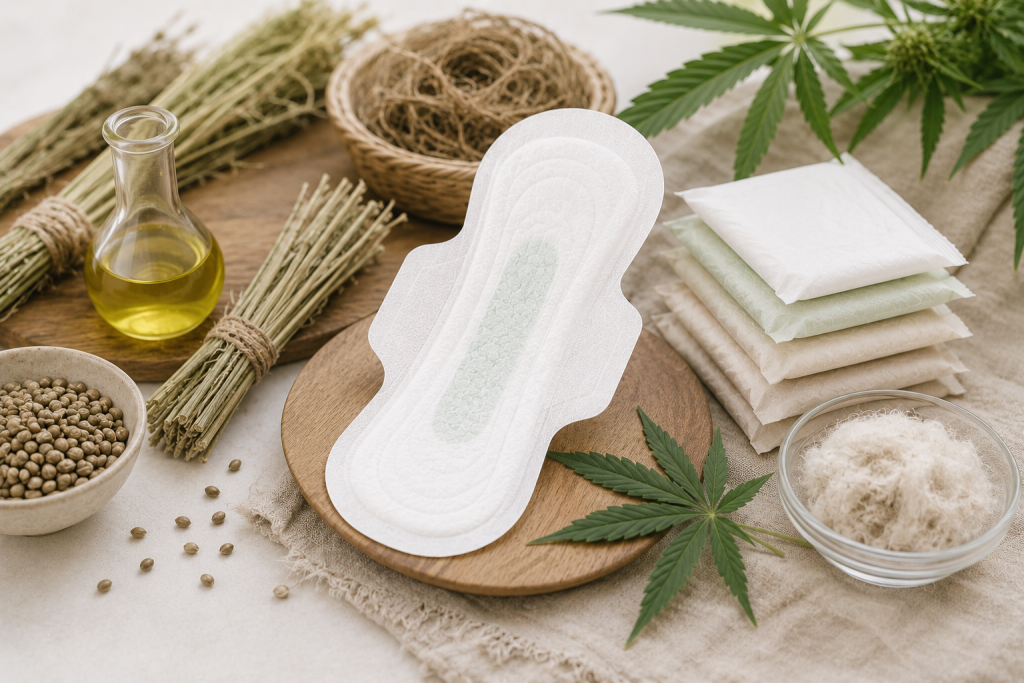
- Material claims such as organic cotton, hemp fiber, herbal chip or breathable surface.
- Certification marks and whether they apply to the product, material or factory.
- Barcode, batch code, production date, expiry date and import labels where required.
- Language localization for the target market.
- Bag thickness, paper thickness, sealing method and opening method.
- Individual wrapper design and printing.
- Carton dimensions, gross weight, net weight, quantity and shipping marks.
How Niceday Supports Custom Packaging
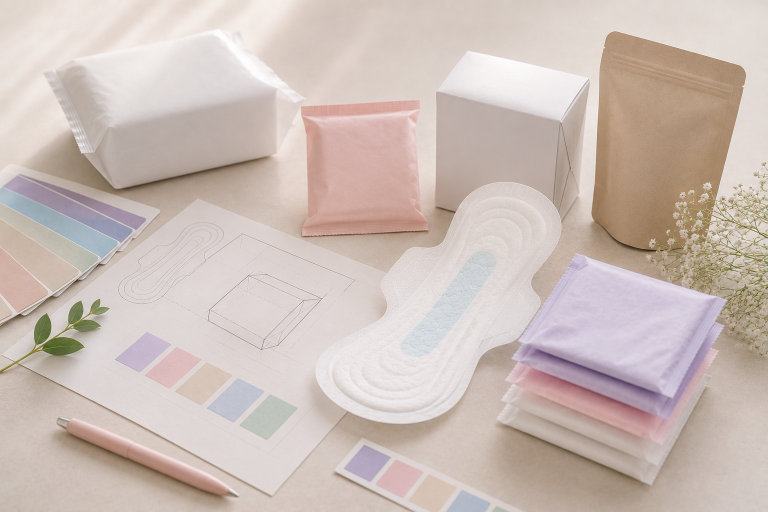
Niceday supports custom packaging for sanitary pads, panty liners, period pants, herbal pads, organic cotton pads and other feminine hygiene products. We help buyers connect product positioning with packaging structure, artwork direction, pack count and retail channel needs.
Our packaging support can include PE bags, aluminum foil bags, ziplock bags, individual wrappers, paper boxes, gift bags, shipping cartons, seasonal packaging and retail display concepts. Buyers can also combine packaging development with product structure planning through Niceday’s OEM/ODM service.
Niceday manufactures feminine hygiene products on 14 intelligent production lines at a 50,000 m2 facility, with about 9.8 million pieces of daily capacity. For private label projects, the typical MOQ is 300,000 pieces per SKU, with a 35-40 day lead time after order confirmation.
Frequently Asked Questions
What is the best packaging for sanitary pads?
The best packaging depends on the product channel and positioning. PE bags are practical for mass retail, foil bags and paper boxes are better for premium products, ziplock bags suit travel or convenience lines, and gift bags work for seasonal or high-end sets.
Can sanitary pad packaging be customized for private label brands?
Yes. Private label sanitary pad packaging can be customized by bag type, material, size, color, artwork, language, claims, pack count, individual wrapper, carton marks and retail display needs.
What should buyers check before approving packaging artwork?
Buyers should check product name, size, flow level, pack count, material claims, certification marks, barcode, import labels, language, batch coding area, printing color and carton information before approval.
Is paper box packaging better than PE bag packaging?
Not always. Paper boxes can support premium or natural positioning, while PE bags are usually more practical for mass-market and value products. The better choice depends on price point, channel, shelf display and logistics needs.
Can Niceday design packaging for different markets?
Yes. Niceday supports localized custom packaging for different markets, including language, pack count, claim wording, retail channel style, individual wrappers, shipping cartons and private label brand presentation.
What is the MOQ for custom sanitary pad packaging?
For Niceday private label sanitary pad projects, the typical MOQ is 300,000 pieces per SKU. Packaging type, print complexity and material structure may affect the final development plan.
Design Custom Packaging for Your Hygiene Products
Discuss PE bags, foil bags, ziplock bags, individual wrappers, paper boxes, gift bags, cartons, artwork, MOQ and OEM/ODM production planning with Niceday.
Explore Custom Packaging OEM/ODM Service Chat on WhatsApp