What Is Menstruation?
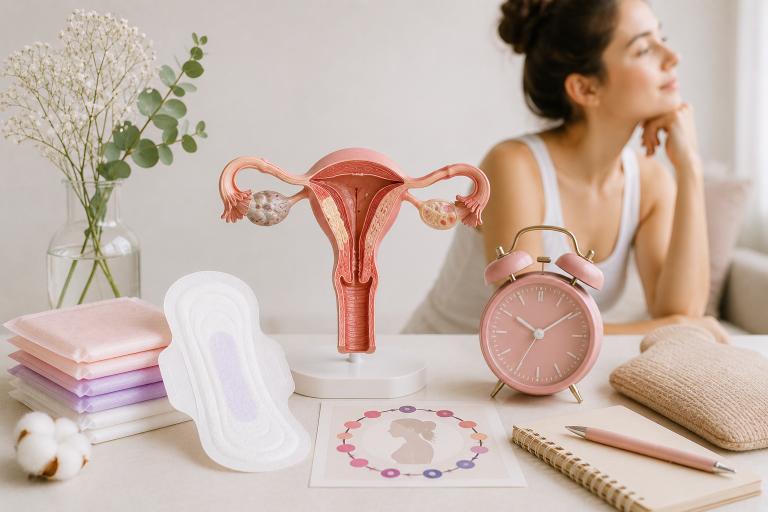
Menstruation is a normal part of the reproductive cycle. Each cycle, hormones prepare the uterus for a possible pregnancy. If pregnancy does not happen, the lining of the uterus breaks down and leaves the body through the vagina. This is called menstruation, or a period.
Understanding your menstrual cycle can help you notice changes in your body, prepare for your period, choose suitable period care products, and know when a symptom may need medical attention.
When Do Periods Usually Start?
Most girls get their first period during puberty, often around age 12, but earlier or later can also be normal. The first few years after the first period can be irregular because the body is still developing its hormone rhythm.
If a young person has not had a first period by age 15, or has other puberty concerns, it is a good idea to speak with a healthcare provider.
What Is a Normal Menstrual Cycle?
The menstrual cycle is counted from the first day of one period to the first day of the next period. Many adult cycles fall between 21 and 35 days, while some health organizations describe a typical range of about 24 to 38 days. What matters most is what is normal for your own body.
| Cycle Feature | Common Range | What It Means |
|---|---|---|
| Cycle length | Often around 21-35 days in adults | Counted from day 1 of one period to day 1 of the next |
| Bleeding days | Usually about 3-7 days | Some periods are shorter or longer, especially during puberty or perimenopause |
| Flow amount | Can be light, moderate or heavy | Track what is typical for you and watch major changes |
| Teen cycles | Can be more irregular in the first years | Cycle regularity often improves over time |
| Period symptoms | Mild cramps, bloating, mood changes or fatigue can happen | Severe symptoms should not be ignored |
What Is Menstrual Fluid Made Of?
Menstrual fluid is not only blood. It also contains tissue from the uterine lining and vaginal fluids. The color can change during the period, from pink or bright red to dark red or brown.
Small blood clots can happen, especially on heavier days. However, very large clots, bleeding that soaks through products very quickly, or bleeding that affects daily life should be discussed with a healthcare provider.
Common Menstruation Symptoms
Many people experience some physical or emotional changes before or during their period. Symptoms vary widely, and they can also change with age, stress, sleep, diet, exercise, birth control or health conditions.
| Symptom | What It May Feel Like | What May Help |
|---|---|---|
| PMS | Mood changes, breast tenderness, headaches, fatigue or cravings before the period | Sleep, hydration, balanced meals, light movement and tracking symptoms |
| Cramps | Aching or throbbing pain in the lower abdomen or lower back | Heat, gentle exercise, rest and medical advice if pain is severe |
| Bloating | A swollen or heavy feeling around the abdomen | Hydration, less salty food, gentle movement and comfortable clothing |
| Acne | Breakouts before or during the period | Gentle skincare and tracking whether breakouts follow your cycle |
| Delayed period | Your period arrives later than your usual pattern | Consider pregnancy if possible, track stress, sleep, illness, exercise and birth control changes |
Why Can a Period Be Late?
A late period can happen for many reasons. Stress, travel, illness, major weight change, overexercise, hormonal birth control, breastfeeding, thyroid issues, PCOS, perimenopause and pregnancy can all affect cycle timing.
If pregnancy is possible, take a pregnancy test. If your periods become irregular for several cycles, stop for several months, or come with unusual symptoms, seek medical advice.
What Is Amenorrhea?
Amenorrhea means not having menstrual periods. Primary amenorrhea usually refers to not having a first period by the expected age range, while secondary amenorrhea refers to periods stopping after they have already started.
Missing one period can happen, but missing periods repeatedly should be checked. Causes may include pregnancy, breastfeeding, menopause, hormonal changes, significant weight change, intense exercise, stress or medical conditions.
How to Support Comfort During Your Period
Simple lifestyle habits may help some people feel more comfortable during menstruation. These habits do not replace medical care, but they can support daily well-being.
- Use heat on the lower abdomen if cramps feel uncomfortable.
- Try gentle movement, walking or stretching if your body feels ready.
- Drink enough water and reduce excess salt if bloating is a problem.
- Prioritize sleep and rest during heavier flow days.
- Limit excess caffeine or alcohol if they worsen mood, sleep or discomfort.
- Track your cycle, flow, pain and mood for at least 2-3 months.
Choosing Sanitary Pads During Menstruation
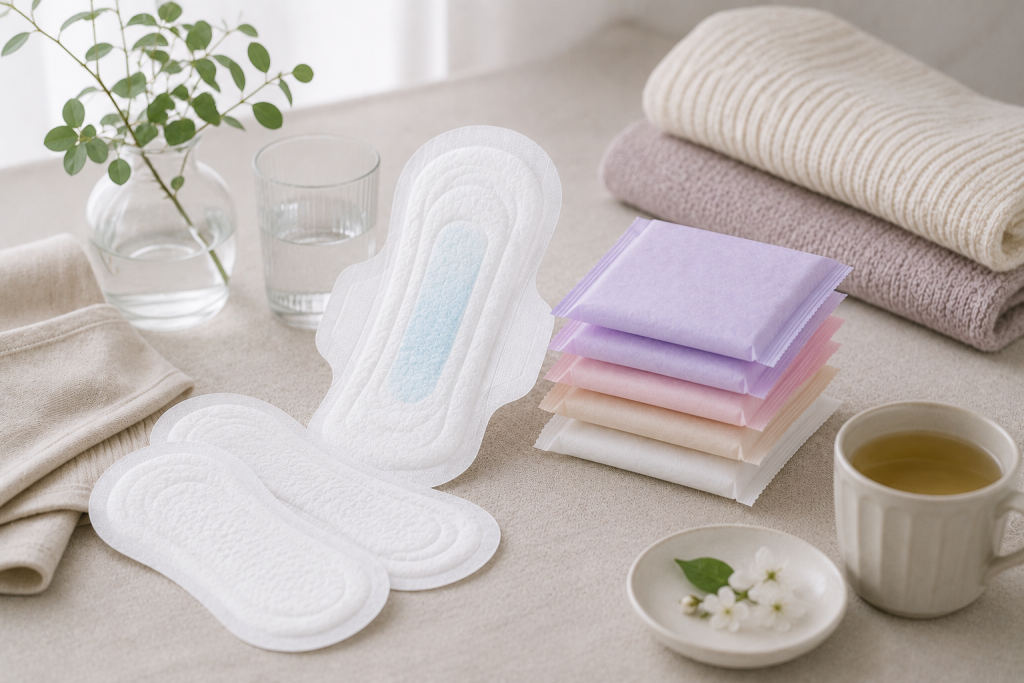
Period care products should match your flow level, comfort needs and daily routine. For light flow, panty liners or thinner pads may be enough. For normal daytime flow, regular sanitary pads are commonly used. For heavy flow or night use, longer pads or overnight pads provide more coverage.
When choosing sanitary pads, look for soft skin-contact materials, absorbency that matches your flow, a breathable backsheet, secure wings if needed, and regular changing. Many people change pads every 4-8 hours, or sooner if the pad feels full, damp or uncomfortable.
When Should You See a Doctor?
Menstrual patterns vary, but some symptoms need attention. Seek medical advice if you experience any of the following:
- Your period has not started by age 15.
- Your periods stop for several months and you are not pregnant, breastfeeding or in menopause.
- You soak through a pad or tampon every 1-2 hours.
- Your period lasts longer than 7 days regularly.
- You pass large clots or bleed through clothes or bedding.
- You have severe pain that stops normal activities.
- You feel dizzy, very tired, short of breath or weak.
- You have bleeding between periods or after sex.
- You notice fever, unusual discharge or a strong unusual odor.
Frequently Asked Questions
What is menstruation in simple words?
Menstruation is the monthly bleeding that happens when the lining of the uterus leaves the body because pregnancy did not occur. It is also called a period.
How long does a normal period last?
A typical period lasts about 3-7 days. Some people have shorter or longer periods, especially during puberty, after childbirth, while using hormonal birth control, or near menopause.
What is a normal menstrual cycle length?
Many adult menstrual cycles fall around 21-35 days, though some medical sources describe a typical range of about 24-38 days. Teen cycles can be more irregular in the first years after the first period.
Are period blood clots normal?
Small clots can happen during heavier flow days. Large clots, very heavy bleeding, bleeding through clothes, or needing to change products every 1-2 hours should be discussed with a healthcare provider.
Why is my period late?
A period can be late because of stress, pregnancy, birth control, illness, travel, weight change, overexercise, thyroid issues, PCOS, perimenopause or other health factors. If pregnancy is possible, take a pregnancy test.
How often should I change my sanitary pad?
Many people change sanitary pads every 4-8 hours, or sooner if the pad feels full, damp or uncomfortable. Heavy flow days may require more frequent changes.
Support Comfort Through Every Period
Choose period care products that match your flow, comfort needs and daily routine.
Explore Sanitary Pads OEM/ODM ServiceReference notes: General menstrual health information was checked against ACOG, Office on Women’s Health, Cleveland Clinic, Mayo Clinic, and NHS.