Standards, Certifications & OEM Insights for Global Brands
As global consumers become more ingredient-conscious, “Organic Pure” has emerged as a high-value positioning in the feminine hygiene market.
For brands, distributors, and private label partners, the real question is not just what it means—but how to define it correctly, compliantly, and credibly in the market.
This article explains Organic Pure standards from a manufacturing and OEM perspective, helping partners avoid vague claims and build long-term brand trust.
1. What Is “Organic Pure” from a manufacturing perspective?
In B2B and OEM contexts, Organic Pure refers to sanitary pads that use certified organic cotton, follow auditable production processes, and meet regional regulatory requirements.
2. Organic vs. Natural: why precision matters for brands
Organic implies certified raw materials and traceability, while natural is a broader, less regulated term. Misuse may lead to labeling and compliance risks.
3. Certifications commonly required for Organic Pure pads
Organic cotton documentation, ISO-certified manufacturing systems, and market-specific compliance are typically required.
4. Why Organic Pure positioning performs well in global markets
Organic Pure delivers higher perceived value, strong premium appeal, and easier distributor storytelling.
5. How Niceday supports Organic Pure OEM projects
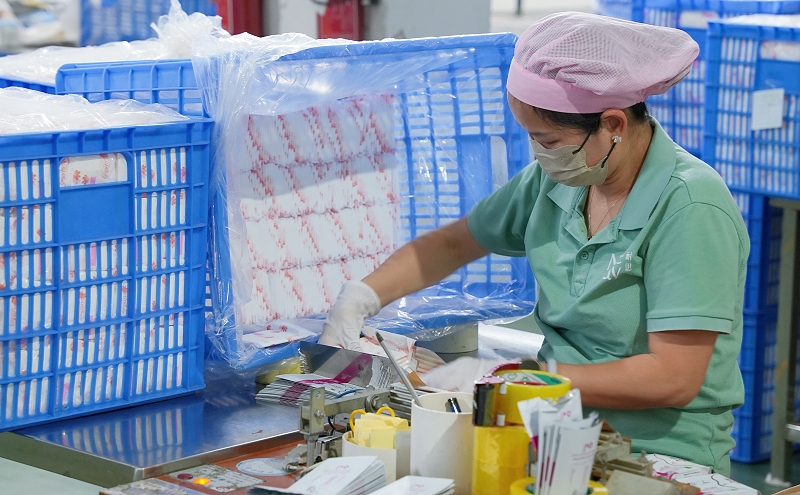
Niceday supports organic cotton sourcing, stable production capacity, export-ready QC systems, and private label customization.
6. Who should consider Organic Pure for private label?
Ideal for brands upgrading to premium lines, distributors entering organic segments, and retailers developing private labels.
Final Thought
Organic Pure is a strategic choice that must be clearly defined, documented, and responsibly manufactured.