How to Change Sanitary Pad Materials Without Losing Loyal Customers
When you change what's inside a private-label pad, customers notice within the first use — long before they read the pack. Here's how to update a product without it feeling like a downgrade.
- Full OEM/ODM support
- 54+ countries
- 24-hour reply
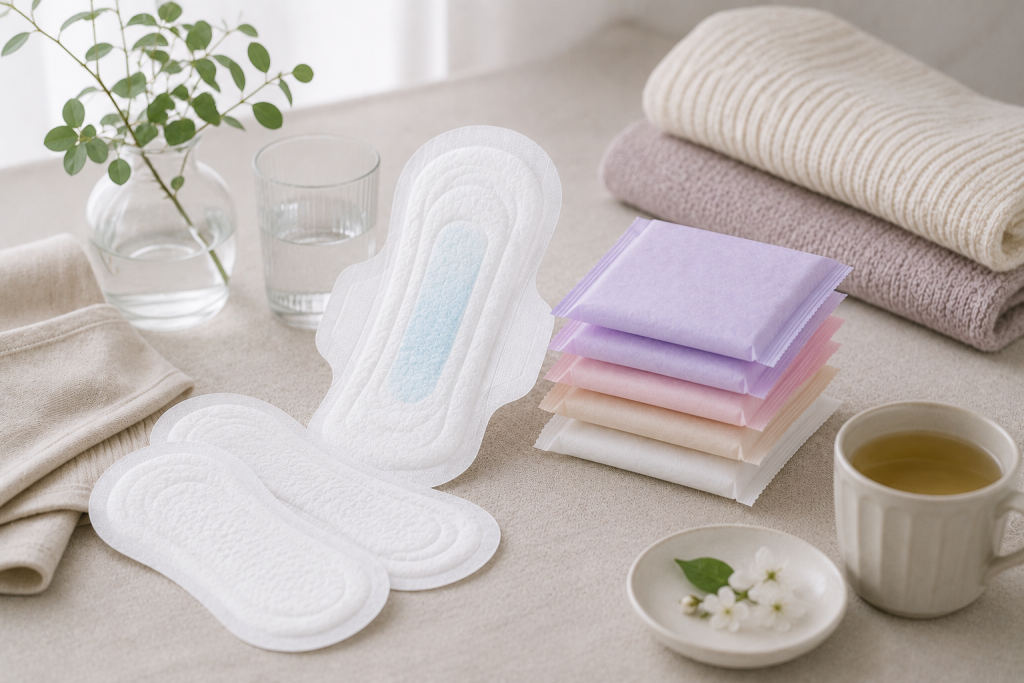
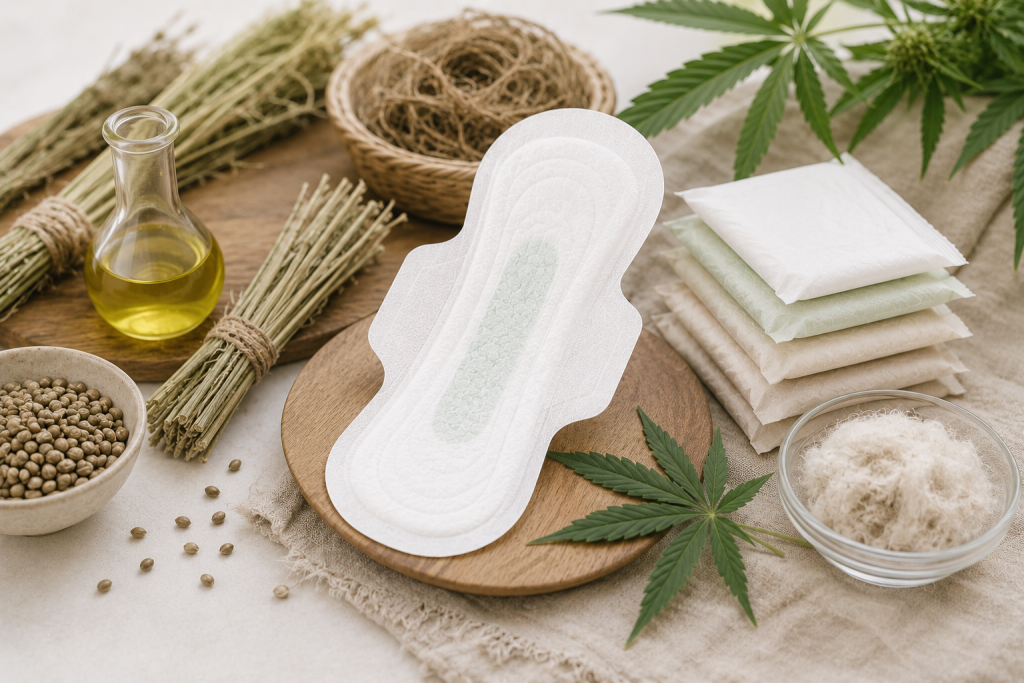
The safest way to update a product is to separate two very different situations: a pack-only refresh ("same product, new pack") and a material or core change (validate with real users first, and tell buyers what changed). A recent 2026 redesign by a major brand showed what happens when those two are blurred — loyal users of 10+ years switched brands after one pack. This page is for the person deciding that change: the brand owner, private-label buyer, or importer.
Why customers notice a change you thought was invisible
A pad sits against skin for hours. Users don't judge it by the technology name on the box. They judge it by three moments: the first ten minutes of walking (does it rub?), one overnight use (does it stay in place, does it leak?), and one removal (does the adhesive tear the pad or leave residue?). If a cheaper nonwoven, a different adhesive, a new embossing, or a reworked core changes any of those, the user feels a downgrade — even when lab absorption data looks the same or better. That gap between lab data and body experience is where repeat purchase breaks.
The real cost is churn, not returns
A single bad pack is a return. A changed product that a long-term user relies on every month is a migration. The customers most likely to leave over a material change are exactly the ones you most want to keep — the repeat buyers who chose your product and stopped shopping around. Winning them back costs far more than the per-piece saving that triggered the change.
Who this applies to — and who it doesn't
This matters most if you are
- upgrading or cost-optimizing an existing product with an established user base
- switching manufacturers and inheriting a formula you didn't originally spec
- running a private label where repeat purchase, not one-time volume, drives margin
This matters less if you are
- launching a brand-new SKU with no existing users to disappoint
- running a one-time clearance or promotional line where repeat purchase isn't the goal
Two changes, two different rules
How Niceday protects the experience your customers already trust
We treat a material change as a controlled event, not a quiet swap:
Learn how Golden Sample and BOM lock work →
Frequently asked questions
Can I lower cost without customers noticing a difference?
Sometimes — but only if the change is validated against real-use feel before rollout, not just lab data. Some inputs (top sheet, adhesive, core) are felt immediately; others are safer to adjust. A blind test tells which is which before mass production, not after complaints.
Should I tell customers when I change the product?
If the material, core, size, or top sheet changed, yes — state what changed. If only the pack changed, say "same product, new pack" and keep the piece count visible. The risk is not change itself, it's the appearance of hiding it.
What is the minimum order to run a validated OEM pad?
Niceday's standard OEM MOQ is 300,000 pieces, with validation and sampling steps available ahead of a full production run.
Planning a product update or a supplier switch?
Talk to us before you change a single input. Winnie replies within 24 hours.
Request a QuoteFounded in 2016, Niceday operates a 50,000 m² facility with 14 production lines and a daily output of around 9.8 million pieces, exporting to 54+ countries across five product categories.