Why Active Lifestyle Sanitary Pads Are Becoming a B2B Opportunity
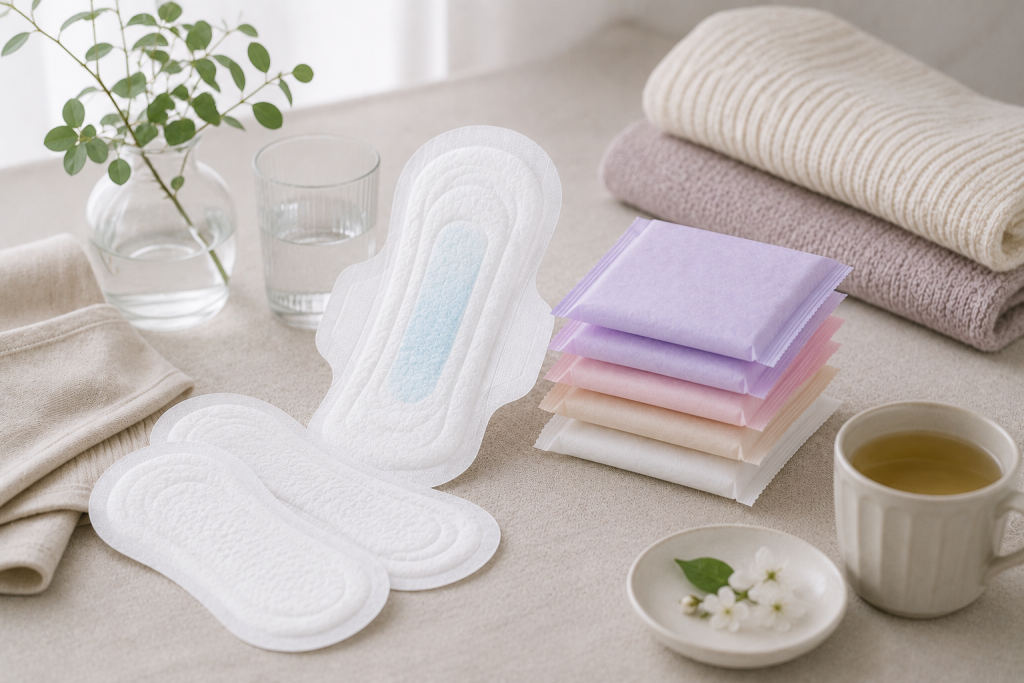
The feminine hygiene market is moving away from one-size-fits-all products. Consumers now expect sanitary pads that match real usage scenarios: office work, commuting, travel, light sports, long sitting hours, and busy daily schedules.
For private label brands, distributors, and retailers, this creates a clear product opportunity. An active lifestyle sanitary pad line is not only a new design concept — it is a way to build higher-value SKUs around movement, comfort, leakage protection, and confidence during long wear.
What Makes a Sanitary Pad Suitable for Active Lifestyles?
A sanitary pad for active lifestyles must solve two problems at the same time: movement security and long-wear comfort. If the pad shifts, bunches, leaks, or feels stuffy after several hours, consumers will not repeat the purchase.
| Consumer Scenario | Recommended Product Direction | Technical Focus | B2B Positioning |
|---|---|---|---|
| Office and daily work | Regular or slim daytime pad, around 245-290 mm | Breathable topsheet, low rewet, soft surface | Workplace comfort line |
| Commuting and long daytime wear | Long daytime pad, around 285-330 mm | Fast absorption, secure wings, anti-shift fit | Busy day protection SKU |
| Gym or light sports | Active pad, around 290-320 mm | 3D leak guards, flexible structure, stable adhesive | Sports or active lifestyle line |
| Business travel or overnight | Overnight pad, around 330-420 mm | Extended back coverage, higher absorbency, leakage control | Travel and night protection SKU |
R&D Insight: Structure Must Match Movement
For active consumers, pad structure is just as important as absorbency. A standard pad may perform well when the user is sitting still, but it can shift, fold, or leak during walking, commuting, exercise, or long workdays.
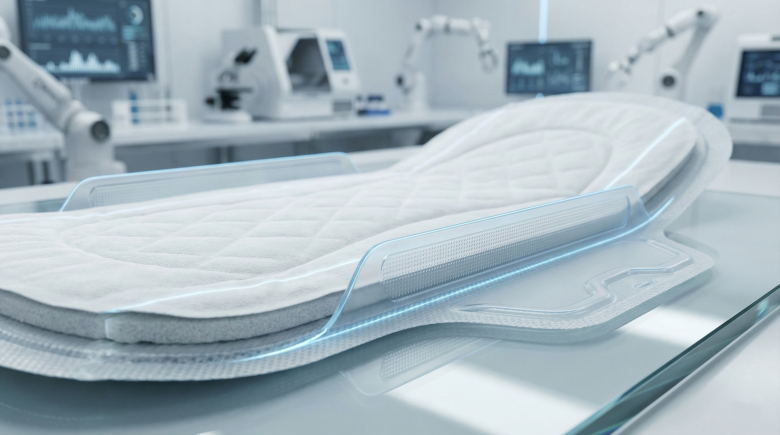
Niceday supports OEM sanitary pads with 3D barrier technology, creating standing leak guards that help improve side leakage protection during movement. Buyers can combine this structure with secure wings, stable adhesive, and customized pad lengths such as 290 mm or 360 mm to create a differentiated active protection line.
Technical Specification Options for OEM Buyers
When developing an active lifestyle sanitary pad, buyers should define the full product structure before packaging design begins. This helps the brand avoid vague claims and build a product that performs consistently after launch.
| Specification Area | OEM Options | Why It Matters |
|---|---|---|
| Pad length | 245 mm, 290 mm, 320 mm, 360 mm, 420 mm or customized formats | Matches different flow levels and movement scenarios |
| Leak protection | 3D leak guards, side barriers, wider back coverage | Improves confidence during movement and long wear |
| Topsheet | Organic cotton topsheet, cotton-soft surface, breathable nonwoven | Supports comfort, sensitive-skin, or premium positioning |
| Absorbent core | Customized SAP ratio, fluff pulp, dust-free paper, fast-lock core | Controls absorption speed, capacity, and rewet performance |
| Backsheet | Breathable film, soft backsheet, printed or plain film | Supports comfort and product differentiation |
| Packaging | Individual wrappers, travel packs, slim packs, retail cartons | Helps communicate active, office, travel, or sports positioning |
Material Science: Breathability and Skin Comfort
For consumers who sit for long hours or move frequently, breathability and surface comfort are major repeat-purchase factors. A pad may absorb well, but if the surface feels hot, damp, or rough, it can weaken brand loyalty.
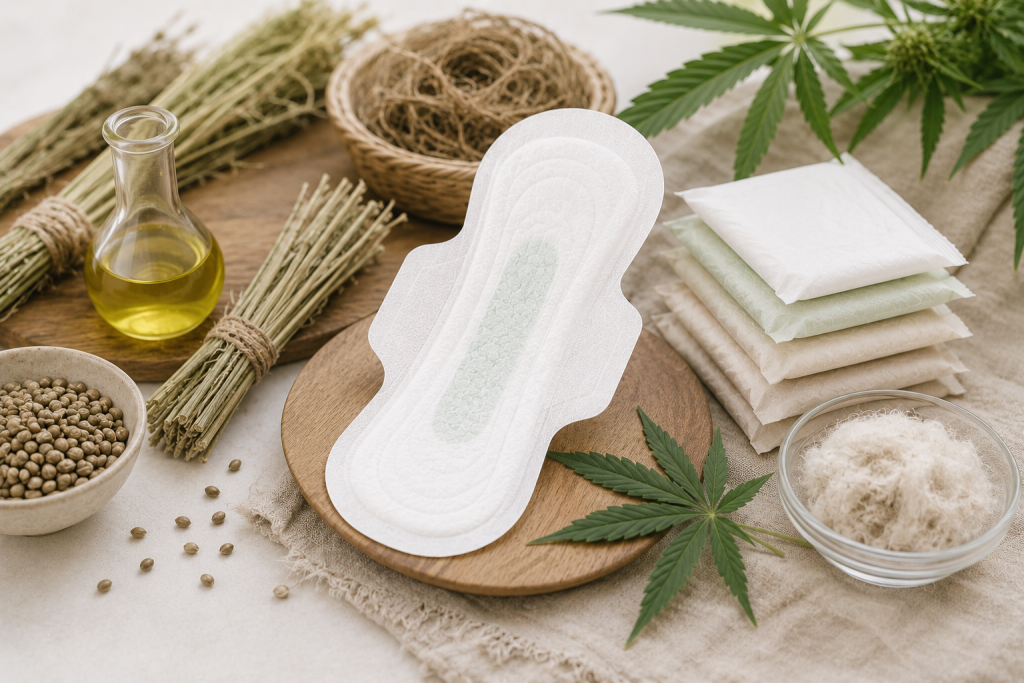
For premium active lifestyle lines, buyers can choose organic cotton topsheet options, breathable nonwoven surfaces, or cotton-soft materials depending on target price and retail positioning. Organic cotton topsheets are especially useful for brands building sensitive-skin, office comfort, or premium daily care ranges.
Certifications and Claim Support for Active Lifestyle Pads
Scenario-based sanitary pads often carry claims such as breathable, organic cotton, sensitive skin, active protection, fragrance-free, or leak guard. Each claim should be supported by suitable documents, test data, or material specifications.
| Claim or Document | What It Supports | Buyer Checkpoint |
|---|---|---|
| GOTS / OCS where applicable | Organic cotton material and chain-of-custody claims | Check whether the certificate covers the exact material and supplier scope |
| FSC where applicable | Paper, pulp, or packaging materials from responsible forest-based sources | Use for paper-based materials or packaging claims, not as proof of organic cotton |
| FDA / CE where applicable | Market access or compliance support depending on target market and product type | Confirm product classification, intended use, and required documents |
| ISO 9001 | Factory quality management system | Check certificate validity, scope, and factory name |
| SGS / Intertek testing | Material safety, hygiene, or performance test data | Check sample name, test items, date, results, and conclusion |
How to Build an “Active Protection” Private Label Line
A strong active lifestyle range should not rely on one single SKU. Buyers can build a small but complete product ladder that covers normal daytime use, heavier flow, and extended protection.
- Core daytime SKU: 245-290 mm pad for office comfort and normal flow.
- Active movement SKU: 290-320 mm pad with 3D leak guards and secure wings.
- Long-wear SKU: 320-360 mm pad for commuting, heavy daytime flow, or travel.
- Overnight or travel SKU: 360-420 mm pad with extended back coverage.
- Premium material SKU: organic cotton topsheet version for sensitive-skin positioning.
This structure allows brands to communicate a clear use-case story: work, commute, move, travel, and sleep. It also helps distributors explain product differences at shelf level instead of relying only on price or pack count.
Packaging Communication for Active Lifestyle Sanitary Pads
Packaging should make the scenario clear within a few seconds. Instead of using broad claims such as “best protection,” buyers should communicate specific benefits that match the product structure.
| Packaging Message | Best Used When | Supporting Product Feature |
|---|---|---|
| Active protection | For movement, commuting, or sports-positioned pads | 3D leak guards, secure wings, stable fit |
| Office comfort | For daily work and long sitting hours | Breathable topsheet, low rewet, soft surface |
| Long-wear confidence | For 320-360 mm daytime or travel pads | Higher absorbency and fast-lock core |
| Sensitive skin | For organic cotton or soft skin-contact materials | Organic cotton topsheet or tested gentle surface |
| Night and travel protection | For 360-420 mm pads | Extended back coverage and strong leakage control |
Niceday can support custom packaging for different markets, including localized language, pack count, front-of-pack claims, and retail-ready visual positioning.
Niceday OEM Manufacturing Support
Niceday helps brand owners translate active lifestyle consumer insights into practical OEM sanitary pad products. Our support covers product structure planning, material selection, SAP ratio adjustment, size customization, packaging design, test documentation, and private label production.
Niceday manufactures feminine hygiene products on 14 intelligent production lines at a 50,000 m2 facility, with about 9.8 million pieces of daily capacity. Products are free of fluorescent brightening agents and can be supported with ISO 9001, FDA, CE, Intertek, SGS eco, and GOTS-related documentation depending on project and market requirements.
For private label projects, the typical MOQ is 300,000 pieces per SKU, with a 35-40 day lead time after order confirmation. Buyers can review product structures on our disposable sanitary napkin page or discuss specifications through our OEM/ODM service.
Frequently Asked Questions
What makes an OEM sanitary pad suitable for active lifestyles?
An active lifestyle sanitary pad should combine secure fit, 3D leak guards, fast absorption, low rewet, breathable materials, and stable wings or adhesive. The goal is to reduce shifting, bunching, dampness, and side leakage during movement or long wear.
What pad sizes are suitable for an active protection line?
A practical active protection range can include 245-290 mm for office comfort, 290-320 mm for movement and commuting, 320-360 mm for longer daytime wear, and 360-420 mm for overnight or travel protection.
Can active lifestyle sanitary pads use organic cotton?
Yes. Organic cotton topsheet options can be used for active lifestyle pads, especially when the brand wants to position the product around sensitive skin, breathability, and premium comfort. The claim should clearly state whether organic cotton is used on the topsheet or surface layer.
How do 3D leak guards help during movement?
3D leak guards create raised side barriers that help reduce side leakage when the user walks, exercises, commutes, or changes posture. They are especially useful for active, long-wear, and heavier-flow sanitary pad designs.
What documents should buyers request for active lifestyle sanitary pads?
Buyers should request material specifications, SGS or Intertek test reports where applicable, ISO quality certificates, organic cotton documents if using organic claims, FSC documents for paper-based packaging or materials where applicable, and packaging claim review before printing.
What is the MOQ for private label active lifestyle sanitary pads?
For Niceday private label projects, the typical MOQ is 300,000 pieces per SKU. Each size, absorbency level, material structure, or packaging version counts as a separate SKU, with a typical lead time of 35-40 days after order confirmation.
Build Your Active Protection Line
Discuss sanitary pad sizes, 3D leak guard structure, organic cotton topsheets, SAP ratio, packaging claims, MOQ, and OEM/ODM production planning with the Niceday team.
Explore OEM/ODM Service Chat on WhatsAppReference notes: FSC is mainly relevant to paper, pulp, and packaging chain-of-custody claims; FDA and CE requirements depend on product classification and target market. Buyers should confirm the exact product scope before using compliance marks on packaging.