World Mental Health Day and the Meaning of True Health
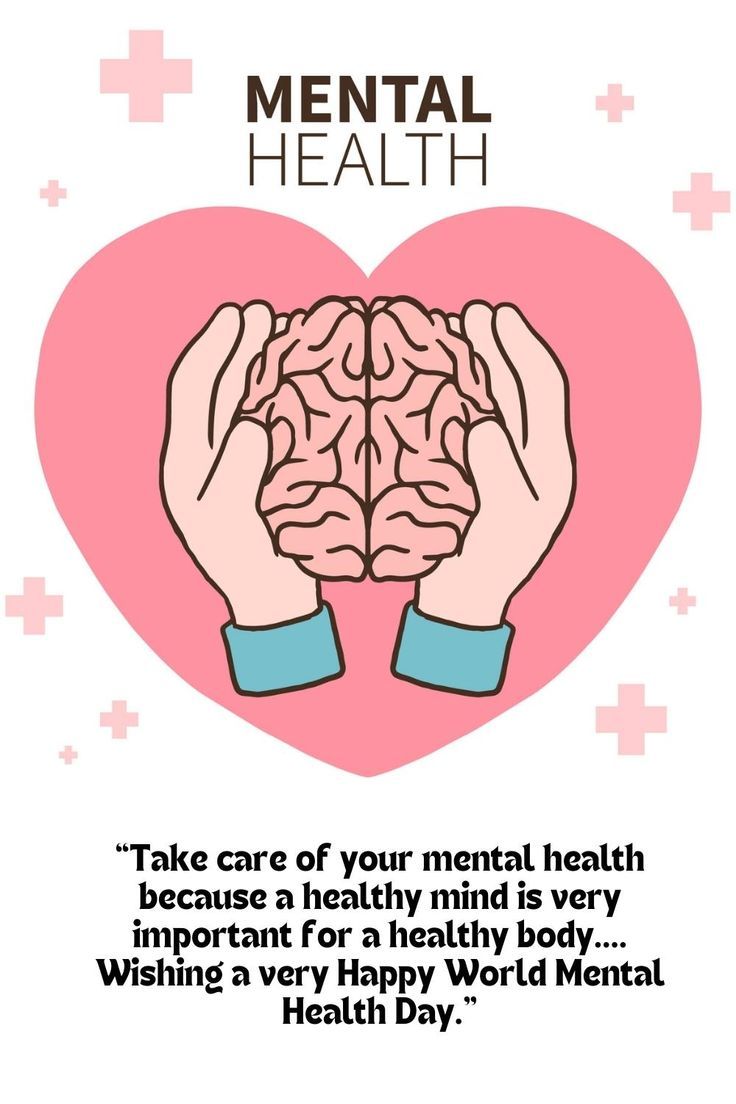
October 10 is World Mental Health Day. It is a reminder that health is not only about the body, but also about how we think, feel, cope, connect and live.
The World Health Organization defines health as “a state of complete physical, mental and social well-being and not merely the absence of disease or infirmity.” This definition matters because many women may look healthy from the outside while quietly carrying stress, shame, body anxiety or fear around natural body changes.
Why Body Acceptance Matters for Women’s Mental Well-Being
From childhood to adulthood, many people learn to notice what they think is “imperfect” about their bodies: legs that are not slim enough, a waist that is not small enough, acne, stretch marks, body hair, scars or weight changes.
For women, body anxiety can become stronger during menstruation, pregnancy, postpartum recovery, breastfeeding, perimenopause or other life stages. These are natural physical changes, but social pressure can make them feel embarrassing or difficult to talk about.
The Body Signals Women Often Hide
| Body Signal | Common Feeling | A Kinder Way to See It |
|---|---|---|
| Menstruation | Fear of leakage, odor, stains or being noticed | Your body is moving through a natural cycle, not doing something shameful |
| Postpartum leakage | Embarrassment when coughing, sneezing or laughing | Your body has carried and delivered life; support and recovery take time |
| Period cramps or fatigue | Frustration, guilt or feeling less productive | Your body may need rest, warmth, comfort and medical help if pain is severe |
| Acne or skin changes | Self-consciousness or hiding from others | Hormonal changes are common and do not reduce your worth |
| Mood changes | Feeling “too emotional” or blaming yourself | Emotions are signals; they deserve care, not judgment |
Menstruation Is Not Bad Luck
Menstruation is often treated as something to hide, but it is a normal part of the reproductive cycle. A period is not bad luck, dirtiness or failure. It is one way the body follows its rhythm.
Instead of blaming your body when your period arrives, try changing the question. Instead of “Why is my body causing trouble?” ask, “What does my body need today?” The answer may be rest, warmth, a comfortable pad, a slower schedule, better hydration or medical advice if something feels unusual.
Postpartum Changes Are Not Defects
After childbirth, many women experience changes in their body shape, pelvic floor strength, bladder control, mood, sleep and energy. These changes can feel surprising and emotionally heavy, especially when women are expected to recover quickly and keep caring for everyone else.
Postpartum changes are not defects. They are part of a major physical transition. Some changes improve with time, pelvic floor support, rest and professional guidance. Needing support does not mean the body has failed.
From Shame to Preparedness
Body acceptance does not mean ignoring discomfort or pretending everything is fine. It means meeting the body honestly and responding with care.
- Notice: What is your body telling you today?
- Name it: Is it pain, tiredness, leakage worry, anxiety or shame?
- Prepare: Carry period care products, liners, spare underwear or comfort items when needed.
- Support: Rest, breathe, ask for help, or speak with a healthcare professional.
- Release blame: Your body is not your enemy.
When Body Signals Need Medical Support
Acceptance is important, but it should not replace medical care. Some symptoms deserve professional attention, especially when they affect daily life.
| Signal | When to Seek Help |
|---|---|
| Period pain | If pain is severe, worsening, or stops you from going to school, work or daily activities |
| Heavy bleeding | If you soak through pads quickly, pass large clots, feel dizzy or bleed longer than usual |
| Urinary leakage | If leakage is new, worsening, painful or affects confidence and daily movement |
| Postpartum mood changes | If sadness, anxiety, fear or hopelessness feels intense or lasts beyond the early adjustment period |
| Mental distress | If you feel unsafe, overwhelmed, or have thoughts of self-harm, seek urgent local professional support |
How Period Care Can Support Daily Confidence
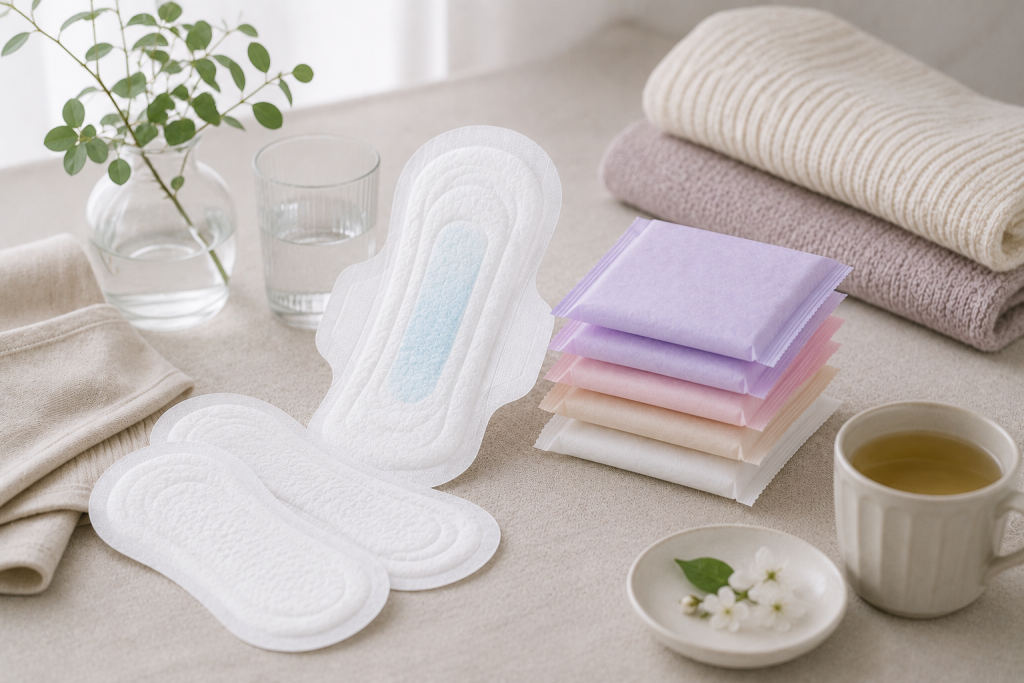
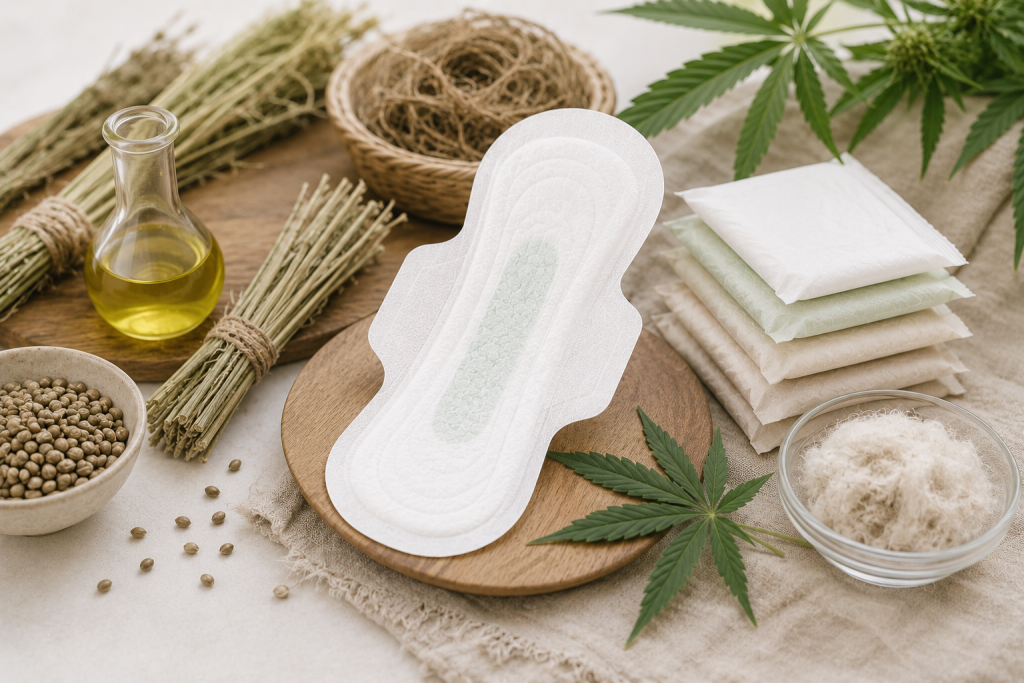
The right period care product cannot solve every emotional challenge, but it can reduce daily worry. A comfortable sanitary pad, panty liner, overnight pad or bladder control product can help women feel more prepared during periods, postpartum recovery, travel, meetings, sleep and active days.
Niceday focuses on feminine hygiene products designed around comfort, breathability, absorbency and reliable protection. For many women, small details such as a softer surface, better fit, stronger leakage protection or discreet packaging can help turn anxiety into calm preparedness.
A Gentle Reminder for World Mental Health Day
The next time your body sends a signal you once considered awkward, try not to judge it immediately. Take a breath. Notice what is happening. Give yourself the care you would give someone you love.
Acceptance is not giving up. It is the starting point of a kinder relationship with your body. When we learn to be gentler with our bodies, confidence can return from the inside out.
Frequently Asked Questions
What is World Mental Health Day?
World Mental Health Day is observed on October 10 each year. It raises awareness of mental health issues and encourages support for mental well-being around the world.
How is body acceptance related to mental health?
Body acceptance can reduce shame, self-blame and anxiety around natural body changes. It helps people respond to their bodies with care instead of constant criticism.
Why do periods affect confidence?
Periods can affect confidence because of leakage worries, cramps, fatigue, mood changes, odor concerns or fear of being noticed. Better preparation and supportive products can help reduce daily anxiety.
Are postpartum body changes normal?
Many postpartum changes are common, including body shape changes, pelvic floor weakness, bladder leakage, sleep disruption and emotional shifts. Persistent or distressing symptoms should be discussed with a healthcare professional.
Can sanitary pads improve mental health?
Sanitary pads do not treat mental health conditions. However, comfortable and reliable period care products may reduce practical worries such as leakage, dampness or discomfort, which can support daily confidence.
When should I seek help for menstrual or emotional symptoms?
Seek help if period pain is severe, bleeding is very heavy, leakage affects daily life, postpartum mood changes feel intense, or emotional distress becomes persistent or unsafe.
Be Gentle With Your Body
Support your body with patience, preparation and period care products designed for daily comfort.
Explore Sanitary Pads OEM/ODM ServiceReference notes: World Mental Health Day and health definition checked against the World Health Organization World Mental Health Day page, the WHO Constitution, and the WHO mental health fact sheet.
October 10th is World Mental Health Day.
We always talk about health, but have you ever thought about what true health is?
The World Health Organization says: “Health is not merely the absence of physical disease, but also includes mental health, good social adaptability, and moral integrity.”